Suspension Impact Calculator
Recommendation
You are likely safe with stock shocks if they are in good condition. Monitor for leaks after 2 years.
You just bought a set of lowering springs. Your car looks incredible sitting closer to the ground, and you can already imagine the sharper cornering. But then that nagging question pops up: do lowering springs hurt shocks? It’s a valid concern. After all, your factory suspension was engineered as a balanced system, and messing with one component often ripples through the rest.
The short answer is yes, but it’s not always catastrophic. It depends entirely on what kind of springs you buy and how you drive. If you throw cheap, aggressive springs onto stock struts, you’re essentially asking those struts to work outside their design limits. You might get away with it for a few months, or even a year, but eventually, the components will start to fail faster than they should. Let’s break down exactly why this happens and how you can protect your wallet while keeping that lowered stance.
The Physics of Preload and Travel
To understand the damage, you have to look at how a strut works. A strut assembly combines a spring and a damper (the shock absorber) into one unit. The spring supports the weight of the car, while the damper controls the speed at which the spring compresses and rebounds. When you install lowering springs, you are reducing the static height of the vehicle. This increases the preload on the spring, meaning it is already compressed more before the car even hits the road.
This increased compression reduces the available travel in both directions. Specifically, it cuts down on droop travel-the distance the wheel can move downward before the suspension bottoms out against the bump stop. With less room to move, the damper operates in a narrower range of its stroke. While this sounds like it might reduce wear, it actually puts higher stress on the internal seals and the piston rod because the forces are concentrated over a shorter movement arc. The damper has to work harder to control the stiffer spring rate, leading to premature heat buildup and fluid degradation inside the shock body.
Why Stock Shocks Struggle with Aggressive Springs
Manufacturers like KYB, Bilstein, and Monroe design stock dampers to match the specific spring rates and ride heights of the original equipment. When you swap in lowering springs, especially those that drop the car by two inches or more, you create a mismatch. The spring rate of lowering springs is typically 15% to 30% stiffer than stock. Your stock damper isn’t calibrated to handle that extra resistance.
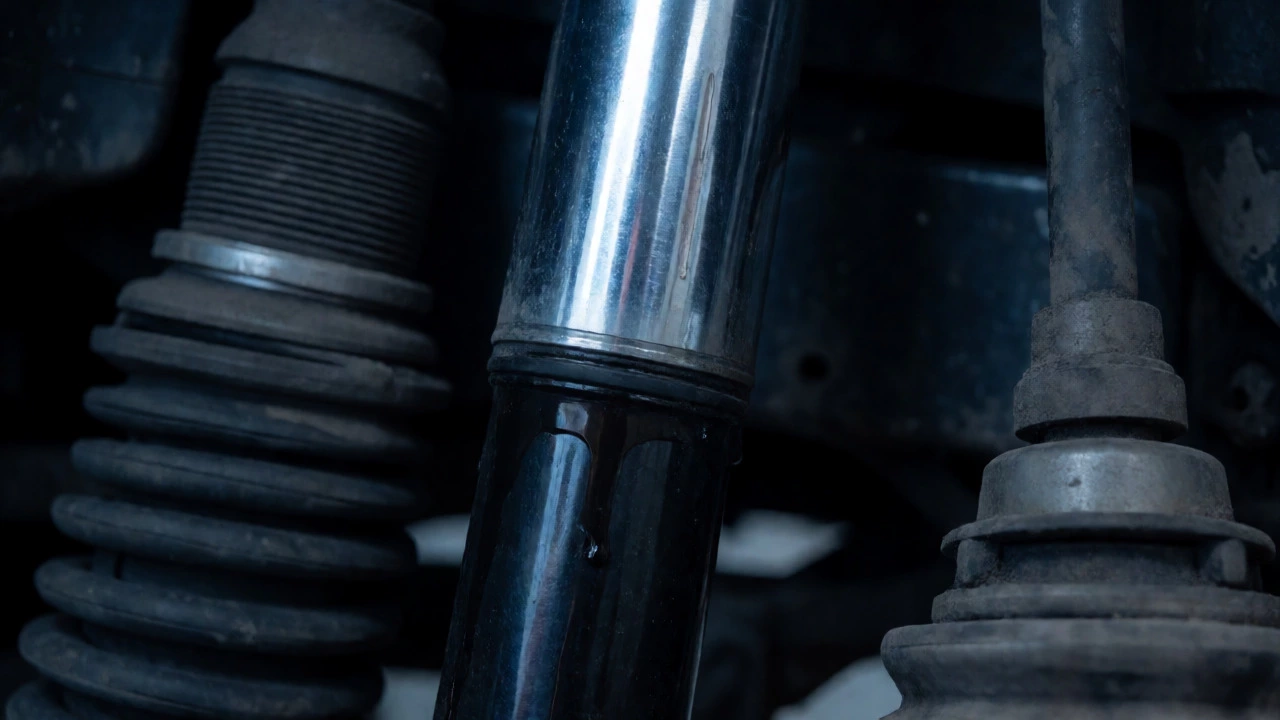
Think of it like trying to run a marathon in flip-flops. They fit your feet, but they aren’t designed for the impact and friction involved. Similarly, stock shocks may feel fine initially, but you’ll likely notice a harsher ride within weeks. Over time, the increased load causes the internal valves to wear out faster. You might start hearing clunking noises from the front end when going over bumps, which is usually a sign that the strut mount bearings or the damper itself is failing. In severe cases, the constant high-pressure operation can cause the damper to leak hydraulic fluid, rendering it useless.
Not All Lowering Springs Are Created Equal
Here is where things get nuanced. There is a massive difference between a mild drop and an aggressive slam. If you are looking for a subtle aesthetic change, dropping your car by half an inch to one inch using progressive-rate springs, your stock shocks might survive perfectly fine. Many enthusiasts run mild drops on stock struts without issues for years. The key is staying within the manufacturer’s recommended limits.
However, if you are buying budget-friendly "cut-and-chip" style springs or aggressive race springs that drop the car significantly, you are gambling with your suspension health. These springs often have linear rates that are very stiff. Without upgrading the dampers, you risk bottoming out constantly. Every time your suspension hits the bump stops, the energy transfers directly into the chassis and the strut housing, causing unnecessary vibration and wear.
| Spring Type | Drop Height | Shock Compatibility | Ride Quality | Lifespan Risk |
|---|---|---|---|---|
| Mild Progressive | 0.5 - 1.0 inch | Stock Acceptable | Firm but Comfortable | Low |
| Standard Lowering | 1.0 - 1.5 inches | Recommended Upgrade | Bumpy on Rough Roads | Moderate |
| Aggressive/Race | 2.0+ inches | Required Upgrade | Harsh/Uncomfortable | High |
The Coilover Alternative: Why It Might Be Smarter
If you are worried about destroying your shocks, consider skipping lowering springs altogether and going straight to coilovers. A coilover is a complete suspension kit that includes matched springs and adjustable dampers. Because the components are engineered together, there is no guesswork involved. You get a system that handles the increased spring rate correctly.
Coilovers also offer adjustability. You can dial in the ride height to your exact preference and adjust the damping force. Want a softer ride for daily commuting? Turn the knob. Need stiffer control for a weekend track day? Crank it up. While the upfront cost is higher-often double or triple the price of a spring-only kit-it saves money in the long run. You won’t be replacing leaking struts every 18 months, and you avoid the hassle of swapping components later when you realize the stock shocks can’t keep up.
Signs Your Shocks Are Failing Due to Lowering Springs
How do you know if your current setup is hurting your suspension? Keep an eye out for these common symptoms:
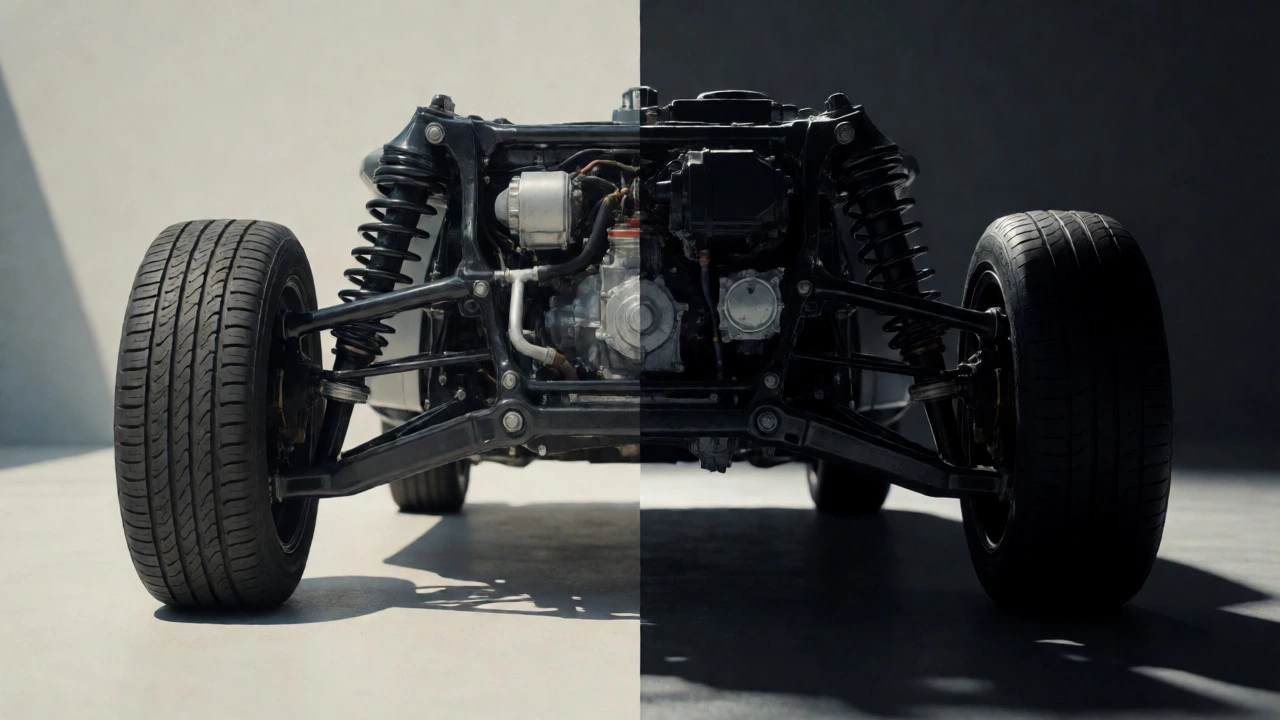
- Excessive Bouncing: If your car continues to bounce after hitting a bump rather than settling immediately, your dampers are worn out. They are no longer controlling the spring oscillation effectively.
- Leaking Fluid: Check the shaft of your struts. If you see oily residue or wetness running down the body, the seal has failed. This is irreversible; the shock must be replaced.
- Clunking Noises: Listen for knocking sounds from the wheel wells when turning or going over uneven surfaces. This often indicates worn strut mounts or ball joints caused by altered geometry.
- Poor Handling: If the car feels floaty or unstable during lane changes, despite having stiffer springs, the dampers are likely overwhelmed.
Protecting Your Suspension: Practical Tips
If you are committed to lowering springs, you can mitigate the damage. First, ensure you are using high-quality brands. Companies like Eibach, H&R, and Tein spend significant R&D time matching their springs to common platforms. Cheap, unbranded springs often lack consistent quality control, leading to uneven ride heights and unpredictable spring rates.
Second, inspect your alignment immediately after installation. Lowering a car changes the camber and toe settings. Misalignment doesn’t just eat tires; it puts asymmetric loads on your suspension components, accelerating wear on bushings and ball joints. Third, consider replacing your strut top mounts and dust boots when installing new springs. These rubber components age quickly under increased tension. Replacing them costs little but prevents annoying rattles and protects the strut shaft from debris.
Finally, adjust your driving habits. Be mindful of potholes and speed bumps. With reduced travel, your suspension has less margin for error. Hitting a deep hole at speed with lowered springs can instantly bend a rim or damage a strut housing. Drive defensively, and your suspension will thank you.
Can I use stock shocks with any lowering springs?
You can physically install them, but it is not recommended for aggressive drops. Mild drops (under 1 inch) with progressive springs may allow stock shocks to last reasonably well. However, for drops over 1.5 inches, stock shocks will likely fail prematurely due to incompatible spring rates and reduced travel.
How much shorter do lowering springs make my car?
Typical lowering springs reduce ride height by 1 to 2 inches (25-50mm). Specific models vary; some "slam" kits can drop cars by 3 inches or more, which almost always requires upgraded dampers and careful clearance checks.
Are coilovers better than lowering springs?
For performance and longevity, yes. Coilovers provide matched damping and adjustability. Lowering springs are cheaper and easier to install but rely on existing dampers that may not be suited for the increased stiffness and lower ride height.
Will lowering springs void my warranty?
Potentially. If a suspension failure occurs and the dealer determines it was caused by aftermarket modifications, they may deny the claim. Always check your local consumer laws and manufacturer policies before modifying a new car.
How long do shocks last with lowering springs?
With stock shocks and aggressive lowering springs, expect a lifespan of 20,000 to 40,000 miles (30,000-60,000 km), compared to 50,000+ miles for stock setups. Using compatible sport shocks can restore normal longevity.