Suspension Wear & Modification Calculator
Vehicle Configuration
You drop your car by two inches, and suddenly the ride feels stiff. You hit a pothole, and there’s a jarring clunk that wasn’t there before. It’s easy to blame the springs themselves for killing your suspension, but is that really what’s happening? The short answer is no-lowering springs don’t directly cause wear in the way you might think. Instead, they change the geometry and stress distribution of your entire chassis, which accelerates the aging of specific components if they aren't upgraded alongside the springs.
Think of it like this: putting on heavy work boots doesn’t break your feet, but it does change how you walk. If you keep walking the same way without adjusting your gait, you’ll strain your ankles. Lowering your vehicle changes its stance, its center of gravity, and how force travels through the frame. Understanding this shift is the difference between a sleek, aggressive look and a car that rattles apart in six months.
The Physics of Dropping Your Car
To understand why parts fail, we have to look at leverage and angles. When you install lowering springs, which are shorter, stiffer replacement coils designed to reduce ride height, you are compressing the suspension travel. This isn't just about aesthetics; it fundamentally alters the kinematics of the wheel assembly.
In a stock setup, your suspension components are engineered to operate within a specific range of motion. The shocks absorb bumps, and the control arms pivot smoothly. When you lower the car, you remove some of that travel. More importantly, you change the angle at which the wheels sit relative to the frame. This increased "camber" (the inward tilt of the tires) puts uneven pressure on the tire shoulders and forces the suspension joints to work harder to keep the wheels aligned during cornering and braking.
The stiffness factor also plays a huge role. Stock springs are soft because manufacturers prioritize comfort over handling. Lowering springs are significantly stiffer to prevent bottoming out. This means less energy is absorbed by the spring itself, so more vibration and impact force are transferred directly into the mounting points, bushings, and subframes. That extra energy has to go somewhere, and usually, it eats away at rubber and metal.
Components Most Likely to Fail First
If you’re worried about wear, you need to know where to look. Not all suspension parts suffer equally. Some components take a beating immediately, while others might last years if maintained correctly.
| Component | Risk Level | Why It Fails |
|---|---|---|
| Control Arms | High | Changed pivot angles cause binding and premature ball joint failure. |
| Bushings | High | Increased stiffness transfers more vibration, cracking soft rubber mounts. |
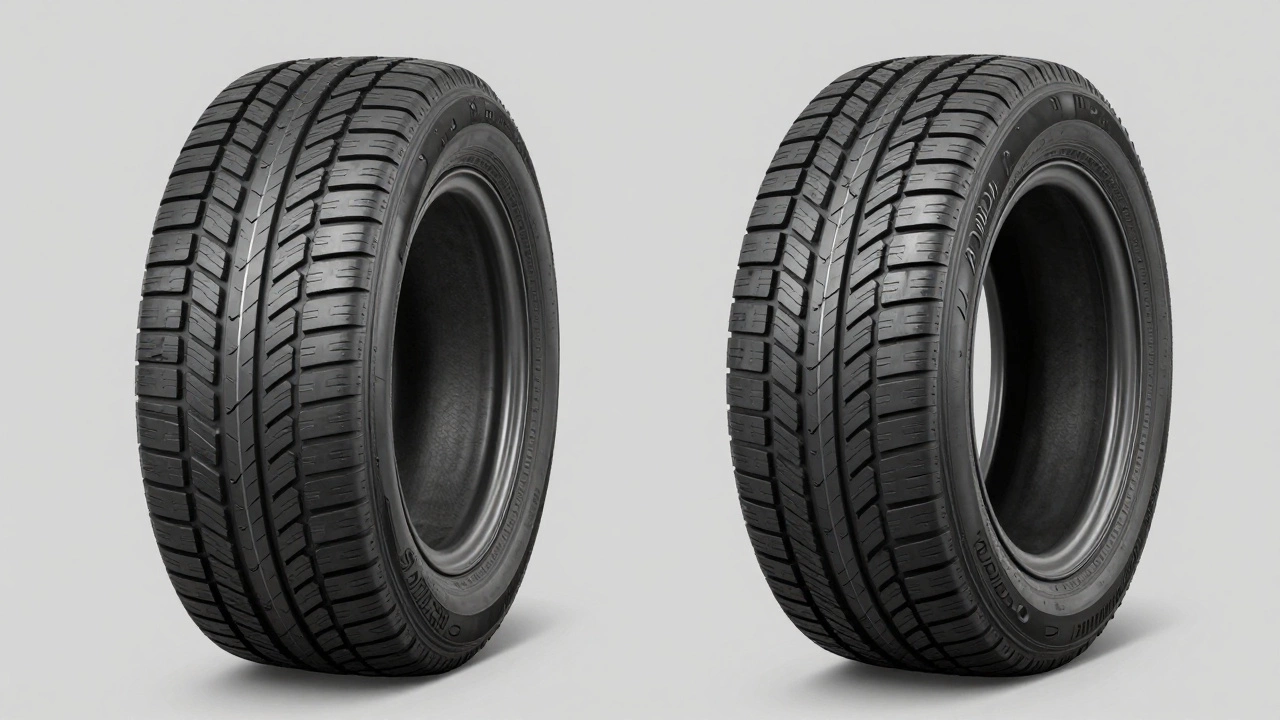
| Tires | Medium-High | Negative camber causes uneven wear on the inner or outer shoulder. |
| Struts/Shocks | Medium | Stock dampers may not handle the higher frequency vibrations from stiffer springs. |
| Wheel Bearings | Low-Medium | Only affected if alignment is severely off or if driving aggressively. |
The biggest culprit is almost always the control arm. In many modern cars, especially those with multi-link rear suspensions, the factory control arms are long and angled specifically for the stock ride height. When you drop the car, the angle of the control arm becomes too steep. This creates a situation called "binding," where the arm can't move freely through its arc. The result? The ball joints and tie rod ends wear out twice as fast, leading to play in the steering and a loose feeling when you turn the wheel.
Bushings are the silent victims. These rubber or polyurethane pieces isolate noise and vibration. With stiffer lowering springs, the road hits harder. Over time, this constant pounding cracks the rubber, allowing metal-to-metal contact. You’ll hear creaks and groans over small bumps long before you see any visual damage to the metal parts.
The Difference Between Drop Amounts
Not all lowers are created equal. A one-inch drop behaves very differently than a three-inch drop. If you’re staying within a modest range-say, 1.5 inches or less-you’re likely safe keeping most stock components. The geometry shifts are minor enough that the factory tolerances can handle them.
However, once you cross that threshold, the physics get unforgiving. Dropping more than two inches often requires more than just springs. You might need dropped spacers for sway bars to prevent them from rubbing against the ground or other components. You’ll definitely need an alignment, and possibly shorter control arms designed specifically for lowered vehicles. These aftermarket arms restore the proper pivot angle, eliminating the binding effect and saving your ball joints from early retirement.
I’ve seen too many enthusiasts buy cheap, generic lowering kits without checking the compatibility notes. They drop their sedan by three inches, ignore the alignment, and wonder why their tires are shredded after 5,000 kilometers. It’s not the springs failing; it’s the lack of supporting modifications.
Lowering Springs vs. Coilovers
A common question is whether switching to coilovers, which are integrated spring and shock absorber units with adjustable ride height, solves the wear issue. The answer is nuanced. Coilovers allow you to adjust damping (stiffness), whereas static lowering springs do not. If you tune the damping correctly, you can smooth out the harshness that leads to bushing fatigue.
However, coilovers introduce new potential failure points. The adjustment mechanisms, particularly the threaded collars used to change height, can loosen over time due to vibration. High-quality coilovers use locking nuts and robust materials, but cheaper sets can develop leaks or lose tension. From a wear perspective, coilovers are often better for the rest of the suspension because they offer better control over rebound, reducing the bouncing that stresses other joints. But they require more maintenance and initial setup knowledge.
How to Protect Your Suspension After Lowering
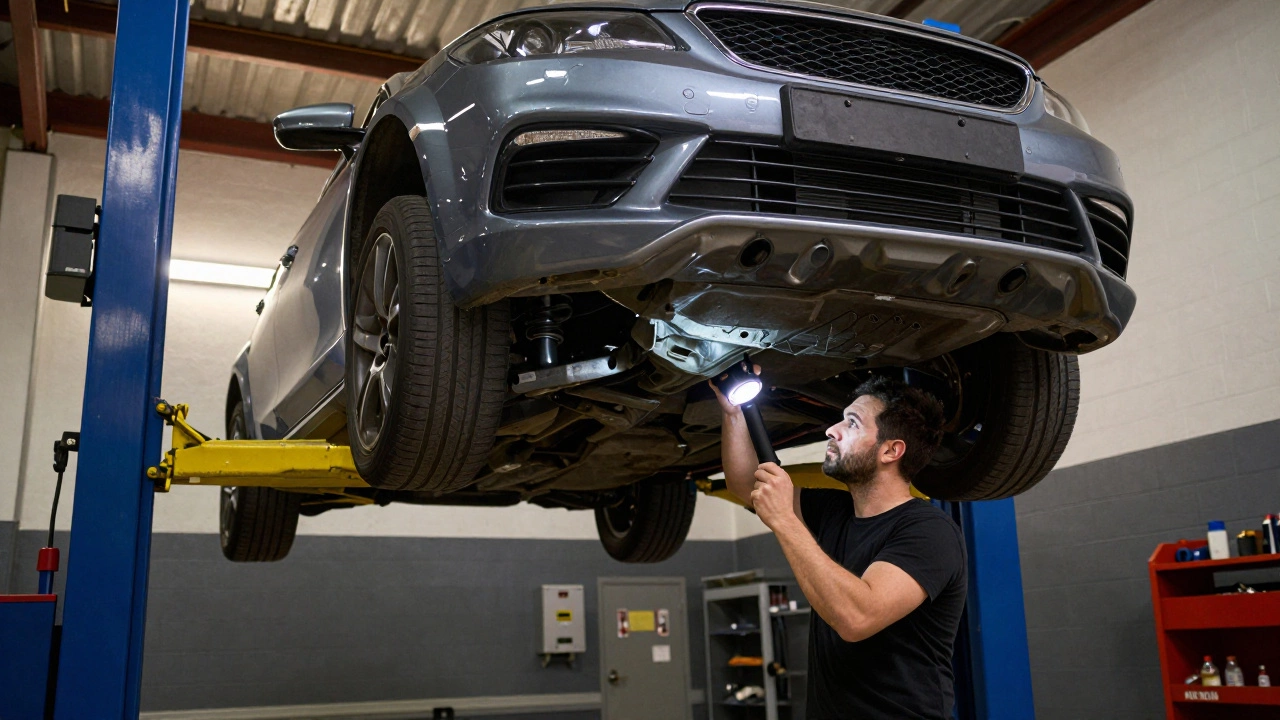
If you’re committed to the look and handling benefits of a lower stance, you can mitigate wear with a few strategic steps. Prevention is far cheaper than replacing a set of control arms.
- Get a Professional Alignment: This is non-negotiable. Don’t skip it. A proper four-wheel alignment ensures your tires are tracking straight, reducing scrubbing on the tread and stress on the steering rack.
- Upgrade Control Arms Early: If you’re dropping more than an inch, consider buying shortened or dropped control arms at the same time as your springs. It saves you from a premature repair bill down the road.
- Check Bushings Annually: Inspect your engine mounts, control arm bushings, and sway bar links every time you rotate your tires. Look for cracks, tears, or excessive movement.
- Monitor Tire Wear: Rotate your tires more frequently. If you notice cupping or uneven wear on the edges, your camber is too extreme, and you need to address the alignment or add camber plates.
- Drive Mindfully: Remember, your suspension has less travel. Speed bumps and deep potholes are now threats, not annoyances. Slow down to protect your undercarriage and suspension mounts.
When to Replace vs. Repair
Sometimes, the wear is inevitable. If your car is older, the rubber components are already near the end of their life. Installing lowering springs on a ten-year-old vehicle with worn-out bushings is a recipe for disaster. The added stress will accelerate the decay rapidly.
In these cases, it makes sense to do a "suspension refresh." Replace the shocks, struts, bushings, and ball joints before installing the new springs. This gives you a clean slate. You’ll enjoy the improved handling of the lower stance without the nagging noises of dying components. It’s an investment, but it preserves the value and safety of your vehicle.
Will lowering springs ruin my shocks?
Not necessarily, but it increases the risk. Stock shocks are tuned for soft stock springs. Stiffer lowering springs send more high-frequency vibrations to the shock absorbers. While they won't explode, the internal seals may wear faster, leading to leaks sooner than expected. For drops over 1.5 inches, upgrading shocks is recommended.
Do I need new control arms for a 1-inch drop?
For a 1-inch drop, stock control arms are usually fine. The geometric change is minimal. However, if you experience steering pull or uneven tire wear, it may be worth inspecting the angles. For drops greater than 1.5 to 2 inches, specialized control arms are highly advised to prevent binding.
Can lowering springs affect fuel economy?
Indirectly, yes. Lowering the car reduces aerodynamic drag slightly, which can improve highway fuel efficiency. However, if the alignment is off or the tires are wearing unevenly due to bad camber, rolling resistance increases, which hurts fuel economy. Proper alignment is key to maintaining efficiency.
Are lowering springs legal in Australia?
Yes, lowering springs are legal, but your vehicle must still meet compliance standards. In Australia, your car must remain stable and controllable. Excessive negative camber that causes rapid tire wear or poor handling can lead to a failed safety inspection (pink slip). Ensure your alignment is within reasonable limits.
How often should I check my suspension after lowering?
You should inspect your suspension components every 6 to 12 months, or whenever you notice unusual noises like clunking or squeaking. Pay special attention to bushings and ball joints, as these are the first to show signs of accelerated wear due to the altered geometry.