Body Kit Installation Expertise Quiz
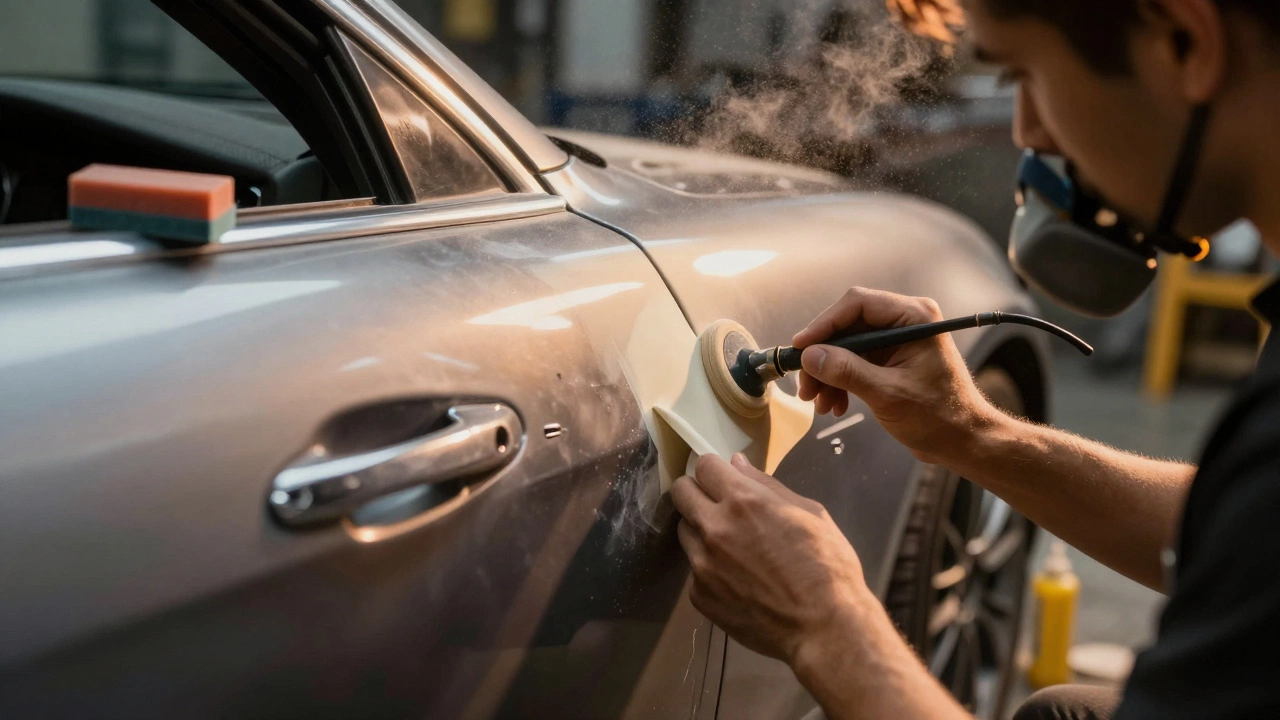
You’ve just bought a sleek widebody kit for your daily driver. You’re ready to transform its look from stock to aggressive. But who actually puts it on? Your instinct might be to call the local panel beater a technician specializing in repairing vehicle damage through dent removal, metal straightening, and structural alignment. After all, they work with metal, paint, and bodies every day. It seems like a logical match. However, asking a panel beater to install a body kit is often a recipe for frustration, unexpected costs, or worse-a botched job that ruins both the kit and your car’s resale value.
The short answer is: sometimes, but usually not well. Most traditional panel beaters are trained to restore vehicles to their original factory specifications, not to modify them into custom configurations. There is a massive difference between fixing a dented fender and permanently altering the geometry of a car’s bodywork. Understanding this distinction can save you thousands of dollars and countless headaches.
The Core Difference: Restoration vs. Modification
To understand why panel beaters hesitate-or fail-when asked to install body kits, you need to look at what they actually do. A panel beater’s primary goal is restoration. When a car comes in after an accident, the objective is clear: return the vehicle to its pre-accident state. This involves using jigs, frames, and measuring systems designed specifically for the manufacturer’s original blueprints.
Body kit installation the process of attaching aftermarket aerodynamic components like bumpers, side skirts, and spoilers to a vehicle, on the other hand, is a modification. It requires creativity, improvisation, and often, cutting into the car’s structure in ways that were never intended by the engineer. Factory panels fit together because they were molded as a set. Aftermarket parts, especially those made from polyurethane or fiberglass, are rarely perfect off the shelf. They require significant shaping, grinding, and blending to sit flush against the existing body lines.
If you take a modified bumper to a collision center, they will likely tell you it doesn’t fit the frame rails properly. That’s because it wasn’t designed to. A panel beater looks at a gap between a new bumper and the headlight and sees a failure. A customization specialist sees a challenge to be solved with filler and sanding. These are two different mindsets entirely.
Why Traditional Auto Body Shops Say No
There are practical reasons why many reputable auto body shops refuse body kit jobs. First, there is the issue of insurance and liability. Collision centers operate under strict guidelines set by insurance companies and manufacturers. If a panel beater modifies a car and it fails inspection later, or if the modification contributes to an accident, the liability falls on them. Most insurance policies do not cover aftermarket modifications, leaving the shop exposed.
Second, consider the tools. Panel beaters use expensive equipment like frame machines, stud welders, and spot weld removers. These tools are optimized for steel and aluminum repair. While they can handle the materials used in body kits, such as fiberglass a strong, lightweight composite material made of glass fibers embedded in resin, commonly used in aftermarket automotive parts or polyurethane, these materials behave differently when heated or cut. Fiberglass, for instance, creates hazardous dust when sanded, requiring specific ventilation and safety protocols that standard body shops may not prioritize for non-repair work.
Finally, there is the time factor. A professional panel beating job follows a predictable timeline. Assess, repair, prime, paint, cure. A body kit installation is unpredictable. One lip might fit perfectly; the next might need three hours of reshaping. For a busy collision center operating on thin margins, this unpredictability is a business killer. They would rather turn away the job than risk spending ten hours on a bumper that should have taken two.
The Risks of Hiring the Wrong Technician
What happens if you find a panel beater willing to take the job? The risks are significant. The most common outcome is poor fitment. Because the technician isn’t experienced in blending aftermarket curves, you might end up with visible gaps, uneven lines, or parts that rattle while driving. Worse, they might try to force the parts to fit using excessive adhesive or drilling, which can crack brittle materials like polyurethane.
Another major risk is paint matching. Panel beaters are experts at matching factory codes. But body kits often come unpainted or in a generic primer. Matching a custom metallic flake or a rare color to a new piece of plastic is difficult even for pros. If the panel beater uses standard spray techniques meant for large panels, the texture might differ from the rest of the car, resulting in an orange-peel finish that stands out under sunlight.
Structural integrity is also a concern. Some widebody kits require cutting into wheel arches or mounting brackets to the chassis. If done incorrectly, this can compromise the car’s rigidity or cause rust issues down the line. A panel beater focused on repair might not consider how these cuts affect the long-term durability of a modified vehicle.
| Feature | Traditional Panel Beater | Customization Specialist |
|---|---|---|
| Primary Goal | Restore to factory spec | Modify and enhance aesthetics |
| Fitment Approach | Precision alignment to OEM points | Blending, filling, and reshaping |
| Material Expertise | Steel, Aluminum, Plastic Repair | Fiberglass, Polyurethane, Carbon Fiber |
| Liability Coverage | Insurance-backed repairs | Often owner-assumed risk |
| Cost Structure | Hourly + Parts markup | Project-based or hourly premium |
Who Actually Installs Body Kits?
If not the panel beater, then who? You need to look for specialists in automotive customization the practice of modifying vehicles to improve appearance, performance, or comfort beyond factory standards. These are often smaller, independent shops that focus exclusively on aftermarket work. They might call themselves "custom paint shops," "widebody specialists," or simply "detailing and modification studios."
These professionals understand the nuances of aftermarket parts. They know that a Vossen wheel needs a different offset than a BBS wheel, and that a Vorsteiner bumper won’t align perfectly with BMW’s factory headlights without some creative fillering. They have experience with the specific adhesives, fasteners, and primers needed for non-metal surfaces.
When searching for a installer, look for portfolios. Ask to see photos of previous body kit installations, specifically ones similar to your car model. Pay attention to the lines around the mirrors, door handles, and lights. Are they smooth? Do the gaps look intentional or accidental? A good specialist will show you before-and-after shots that highlight their ability to blend disparate parts into a cohesive whole.
How to Prepare Your Car for Installation
Regardless of who you hire, preparation is key. Start by choosing high-quality parts. Cheap body kits often have warping, bubbles, or inconsistent thickness. Brands like Rocket Bunny, Varis, or Mugen invest in precise molding, which makes the installer’s job easier and the final result better. Check reviews specifically mentioning fitment quality.
Next, assess your budget realistically. Body kit installation is rarely cheap. Expect to pay for labor, materials (primer, filler, paint), and potential hidden costs like replacing old clips or brackets. Get a written estimate that breaks down labor hours versus material costs. Avoid shops that give vague quotes like "it depends on how much work it needs."
Communicate clearly about your expectations. Do you want a show-car finish with flawless paint matching? Or are you okay with a slight texture difference if it saves money? Discuss the timeline. Rushed jobs lead to mistakes. Allow enough time for proper curing of paints and adhesives. Finally, ensure the shop has a clean environment. Dust and debris are enemies of a smooth paint job, so a dedicated booth is essential.
DIY vs. Professional Installation
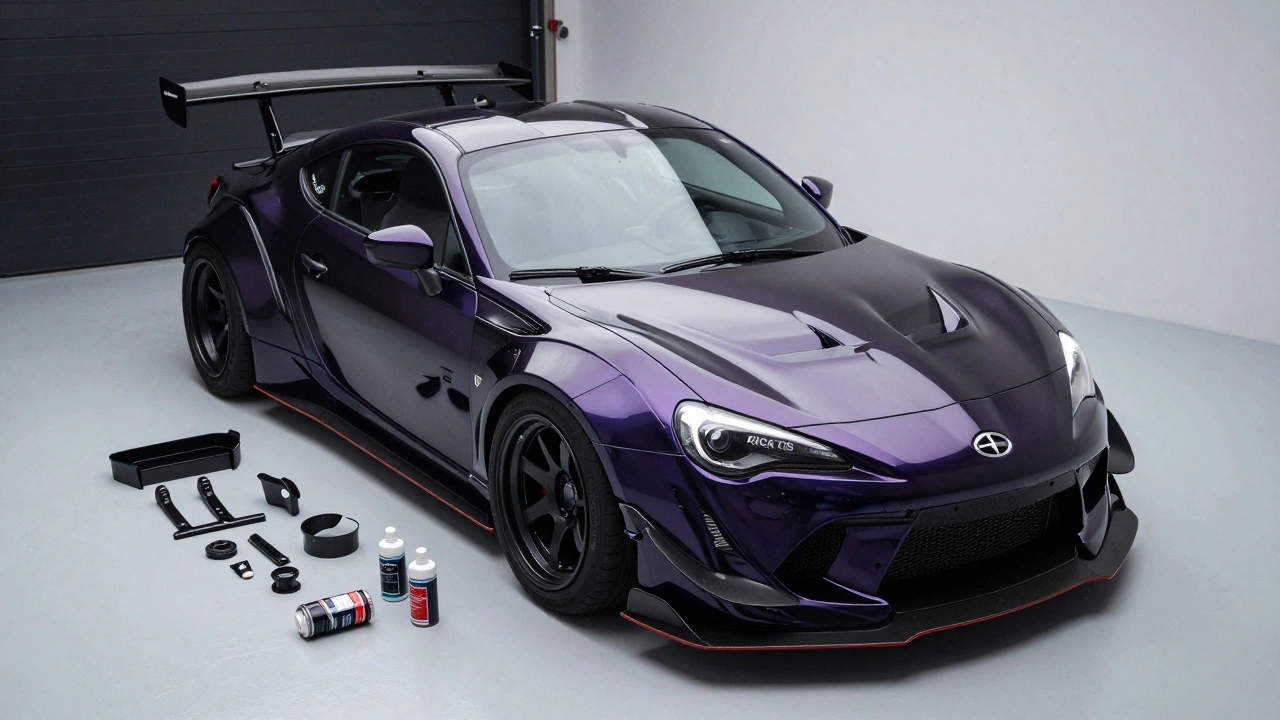
For the handy homeowner, DIY might seem tempting. Simple bolt-on spoilers or subtle side skirts can often be installed with basic tools. However, full body kits involving cutting, welding, or extensive painting are not beginner projects. Mistakes here are permanent and expensive to fix. If you lack experience with body filler, sanding, and spray painting, leave it to the pros. The cost of hiring a specialist is often less than the cost of correcting a bad DIY job.
Even if you plan to do some prep work yourself, consult with your installer first. Removing trim, cleaning surfaces, or masking areas can help reduce labor costs, but doing it wrong can create more work for the pro. Always follow the kit manufacturer’s instructions regarding mounting points and hardware.
Maintaining Your Modified Body
Once installed, a body kit requires special care. Aftermarket materials like polyurethane are flexible, which helps prevent cracking during minor impacts, but they can stretch over time. Regular washing and waxing protect the surface, but avoid harsh brushes that can scratch the softer material. Inspect mounting bolts periodically, especially if you drive on rough roads, as vibrations can loosen fasteners.
If you get into a minor fender bender, note that repairing a body kit is different from repairing stock metal. You may need to source replacement parts from the kit manufacturer rather than a dealership. Keep records of where you bought the kit and any installation receipts. This documentation can be helpful if you ever decide to sell the car or reverse the modifications.
Can a panel beater fix a cracked body kit part?
Generally, no. Panel beaters are skilled at repairing metal dents and scratches. Cracked fiberglass or polyurethane requires specialized resins and repair techniques that most collision centers do not offer. You would likely need to contact the body kit manufacturer or a customization specialist for repairs.
How much does it cost to install a body kit?
Costs vary widely based on complexity and location. A simple bolt-on spoiler might cost $100-$300 in labor. A full widebody kit with custom painting can range from $2,000 to $5,000 or more. Always get multiple quotes and ask for a detailed breakdown of labor and materials.
Will installing a body kit void my car warranty?
Does a body kit affect insurance premiums?
Yes, it often does. Modifying your car’s appearance can increase the risk of theft or damage, leading to higher premiums. You must declare the modification to your insurer. Failure to do so could result in denied claims if the kit is damaged or stolen.
Are body kits legal?
Legality depends on local regulations. In many regions, body kits are legal as long as they do not obscure license plates, lights, or reflectors, and do not extend beyond certain width limits. Always check your local Department of Motor Vehicles (DMV) or transport authority guidelines before installation.
How long does body kit installation take?
A simple installation might take one to two days. Complex widebody kits requiring cutting, welding, and custom painting can take one to three weeks. Factors like shop workload, paint drying times, and fitment challenges can extend this timeline.