Wheel Spacer Fuel Economy Impact Estimator
Estimate how much adding wheel spacers might affect your MPG or L/100km. Adjust the sliders to match your setup.
+0.0%
Change in Fuel Consumption
For most daily drivers, this change is within the margin of error of your dashboard computer.
You just bought those aggressive-looking wheel spacers to push your wheels out and give your ride a wider stance. You’re imagining the compliments from the neighbors. But then that nagging thought hits: are you about to pay for this look at every single petrol station? It’s a valid concern. Adding weight or changing aerodynamics usually costs money at the pump. So, do wheel spacers actually ruin your gas mileage, or is it just an urban myth spread by people who hate fun?
The short answer is yes, but probably not as much as you fear. In most real-world driving scenarios, the impact on fuel efficiency is minimal-often within the margin of error for your dashboard computer. However, "minimal" isn't "zero." There are specific physics at play here involving weight, rolling resistance, and suspension geometry. If you drive a heavy SUV off-road or track your sports car hard, the numbers will shift more noticeably than if you’re commuting in a sedan. Let’s break down exactly what happens under the hood (and under the chassis) when you install these aluminum discs.
The Physics of Weight and Rotating Mass
When you bolt on wheel spacers, you are adding mass to your vehicle. This might seem obvious, but where that mass sits matters enormously. Engineers call this unsprung weight. Unlike the weight of your passengers or cargo, which rests on the springs, unsprung weight includes everything below the suspension components: tires, wheels, brakes, and yes, spacers.
Why does this matter for fuel? Because your engine has to work harder to accelerate rotating mass. Think of it like spinning a bicycle wheel versus pushing a shopping cart. The wheel keeps spinning because of momentum, but getting it up to speed takes energy. Adding even a few kilograms per corner increases the rotational inertia. Your engine burns slightly more fuel to overcome this inertia during acceleration. Once you hit highway speeds and maintain a constant velocity, the penalty drops significantly because you aren't constantly accelerating and braking.
| Spacer Thickness | Avg. Weight Per Corner (Aluminum) | Total Added Vehicle Weight |
|---|---|---|
| 5mm - 10mm | 0.3kg - 0.6kg | 1.2kg - 2.4kg |
| 15mm - 20mm | 0.7kg - 1.1kg | 2.8kg - 4.4kg |
| 25mm+ | 1.2kg - 1.8kg | 4.8kg - 7.2kg |
Look at the table above. Even with thick 25mm spacers, you are likely adding less than 8kg to the entire car. That’s roughly the weight of a large bag of dog food or a small child. For context, carrying a full tank of extra fuel adds way more weight than your spacers. Unless you are chasing tenths of a second on a racetrack, this static weight increase is negligible for daily driving fuel consumption.
Aerodynamic Drag and Rolling Resistance
If weight isn’t the main culprit, what is? Aerodynamics and tire behavior. When you use spacers, you push the wheels further away from the centerline of the car. This changes two things: how the air flows around the wheel wells and how the tires contact the road.
First, consider aerodynamic drag. Wider tracks can sometimes disrupt airflow into the wheel arches. On modern cars designed with computational fluid dynamics, even small protrusions can create turbulence. If your wheels stick out past the fender line without proper flares, they act like parachutes. At high speeds (above 100 km/h), this drag becomes noticeable. You might see a drop in highway fuel economy of 1-2%. It sounds small, but over a long road trip across Australia, it adds up.
Secondly, there is rolling resistance. By widening the track, you alter the scrub radius and toe-in settings. If your alignment isn’t adjusted after installing spacers, your tires might fight against each other. Imagine walking with your toes pointed slightly inward; you expend more energy moving forward. Misaligned tires due to spacer installation create similar friction. This forces the engine to work harder to keep the car straight, directly impacting gas mileage.
Suspension Geometry and Handling Impacts
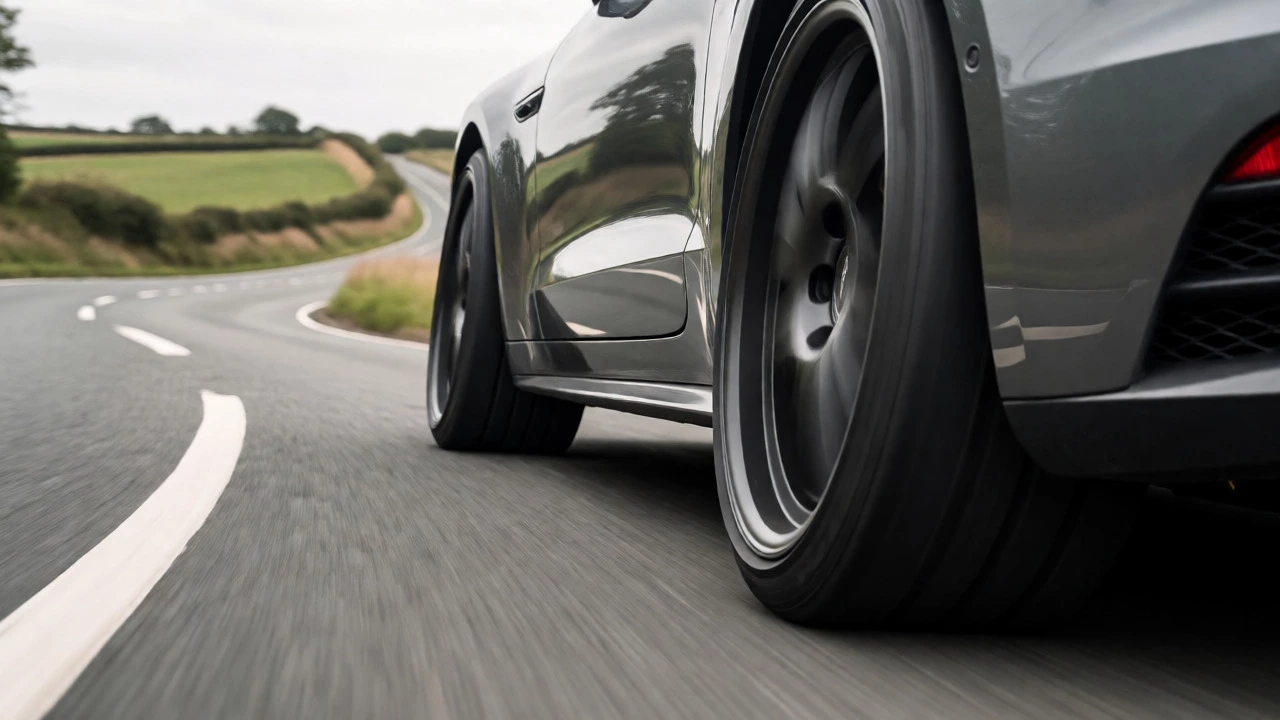
It’s not just about direct mechanical losses. Wheel spacers change the leverage points on your suspension. This affects handling, which indirectly influences how you drive. Many drivers find that a wider stance makes the car feel more planted. They take corners faster and brake later. Aggressive driving habits burn more fuel than smooth, steady cruising.
Furthermore, spacers reduce the offset distance between the hub face and the mounting surface. This shifts the load path. While quality spacers are machined to precise tolerances, cheap cast ones can introduce vibration or imbalance. Vibrations mean energy loss. If your steering wheel shakes at 80 km/h, your suspension is absorbing that energy, and your tires are wearing unevenly. Uneven wear increases rolling resistance over time, slowly degrading your fuel efficiency.
Consider the scenario of a lifted truck with massive 50mm spacers. The suspension geometry is already compromised. Adding spacers exacerbates the stress on ball joints and tie rods. To compensate, the driver often stiffens shocks or adjusts tire pressure higher. Higher tire pressure reduces grip but lowers rolling resistance, potentially offsetting some fuel penalties. It’s a complex trade-off where one variable cancels out another.
Real-World Scenarios: Who Loses What?
Not all vehicles react the same way. Here is how different types of owners typically experience the fuel economy shift.
- The Daily Commuter: If you drive a hatchback or sedan with 10mm spacers for aesthetics, you likely won’t notice any change. Your stop-and-go city driving is dominated by idling and acceleration, where the tiny weight addition is irrelevant. Expect zero measurable difference.
- The Highway Cruiser: Drivers covering long distances at consistent speeds might see a slight dip. The aerodynamic penalty kicks in here. If you add 20mm spacers and widen your track significantly, expect a 1-3% drop in MPG at 110 km/h.
- The Off-Roader: Trucks and SUVs with large spacers to fit bigger tires face a different reality. The spacers themselves don’t hurt much, but the larger tires they enable do. Bigger tires have more wind resistance and require more torque to turn. The spacer is just the enabler; the tire size is the fuel killer.
- The Track Enthusiast: Performance drivers prioritize lap times over fuel costs. They accept the minor efficiency loss for better cornering stability. For them, the question isn’t about gas mileage, but whether the spacer improves grip enough to justify the cost.
How to Minimize the Fuel Penalty
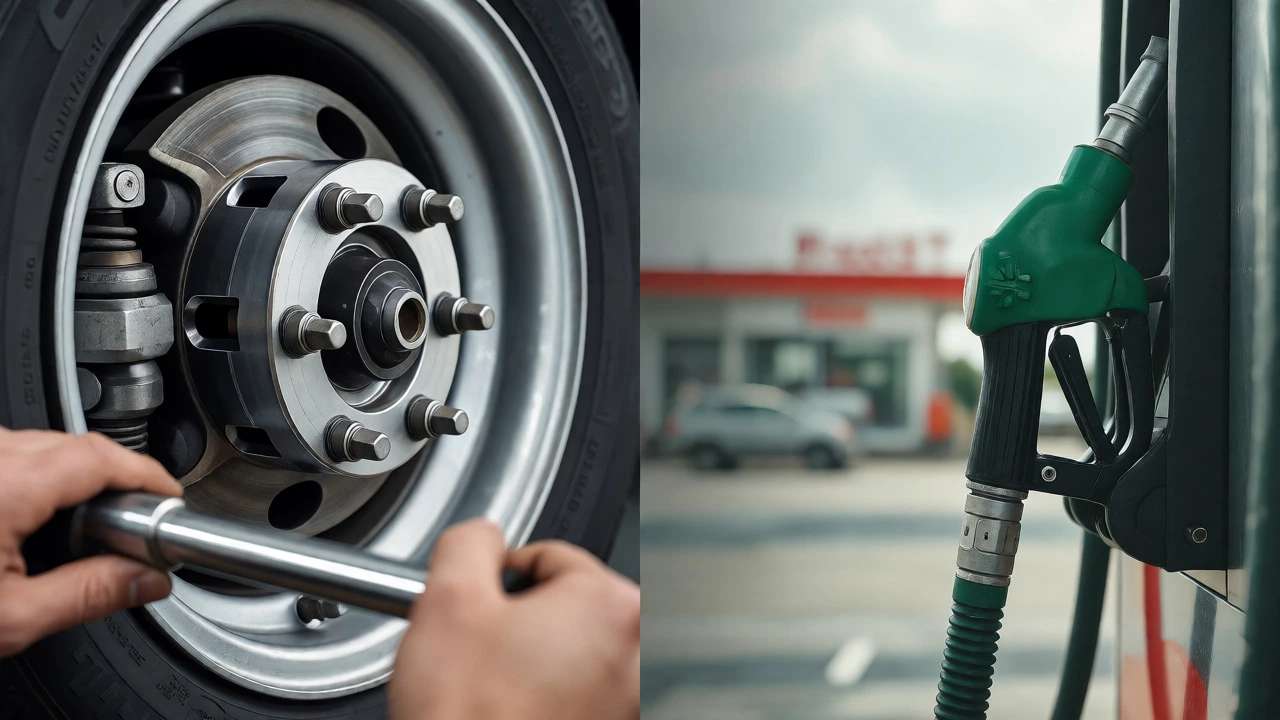
You don’t have to choose between looks and efficiency. You can mitigate the negative effects of wheel spacers with smart choices during installation and maintenance.
- Choose Forged Aluminum Over Cast: Forged spacers are stronger and lighter for their thickness. Saving a few hundred grams per corner helps keep unsprung weight low.
- Get a Proper Alignment: Never skip the four-wheel alignment after installing spacers. Correcting camber and toe ensures your tires roll freely rather than dragging. This single step recovers most of the lost fuel efficiency caused by misalignment.
- Check Tire Pressure Regularly: Wider tracks can make tires look underinflated even when they aren’t. Keep pressures at the manufacturer’s recommended level (or slightly higher for comfort) to minimize rolling resistance.
- Balance Your Wheels: Ensure your wheels are perfectly balanced after adding spacers. Imbalance causes vibrations that waste energy and wear out tires prematurely.
Remember, the goal is to integrate the spacers seamlessly into the vehicle’s existing dynamics. If done correctly, the car behaves almost identically to its stock setup, just with a wider footprint.
Common Myths vs. Reality
There is a lot of misinformation online. Let’s clear up the biggest myths surrounding spacers and fuel economy.
Myth 1: Spacers add significant horsepower requirements.
Reality: No. They add negligible rotational inertia. You won’t need a tune or remap to handle the extra load. The engine doesn’t care about a few kilograms of aluminum.
Myth 2: All spacers cause rubbing and drag.
Reality: Only poorly fitted ones do. High-quality hub-centric spacers maintain perfect concentricity. Non-hub-centric (lug-centric) spacers can wobble, causing drag and vibration. Always use hub-centric rings if needed.
Myth 3: You lose 10% of your fuel economy.
Reality: That’s extreme. Typical losses range from 0% to 3%, depending on speed and driving style. Most drivers cannot detect this without meticulous logging.
Do wheel spacers void my warranty?
Generally, no. Wheel spacers are considered cosmetic modifications. However, if a spacer fails due to poor installation or cheap materials and damages your suspension or brakes, the dealer might deny coverage for those specific parts. Always keep receipts and ensure professional installation.
Are hub-centric spacers better for fuel economy?
Yes, indirectly. Hub-centric spacers center the wheel precisely on the hub, reducing vibration and ensuring even tire wear. Less vibration means less energy wasted, and even wear maintains optimal rolling resistance compared to lug-centric setups that may wobble.
How many millimeters of spacers is safe?
For most street cars, up to 20mm per side is generally safe without modifying suspension components. Beyond 25-30mm, you risk stressing wheel bearings and altering steering geometry too drastically, which could lead to premature wear and potential safety issues.
Do spacers affect braking performance?
Minimal effect. Braking force is transmitted through the hub, not the spacer. However, wider tracks improve lateral stability during braking, allowing you to brake later and harder without losing control. This can actually improve safety, though it doesn’t change stopping distance directly.
Is it worth using spacers for better handling?
If you value stability and cornering confidence, yes. The slight fuel penalty is rarely worth worrying about unless you are hyper-focused on maximizing every kilometer of range. The improved handling characteristics often outweigh the negligible economic cost.
Ultimately, wheel spacers are a low-risk modification for fuel economy. Focus on quality installation and regular maintenance, and you’ll enjoy the aggressive look without watching your wallet drain at the servo.