Car Interior Comfort Calculator
Seating Support
Soundproofing
Climate Control
Lighting & Visibility
Organization & Ergonomics
Category Breakdown
Ever sat in your car after a long drive and felt like you’d been tossed around by a washing machine? You’re not alone. Most factory interiors are designed for average bodies and short commutes, not for the marathon drives many of us endure daily. But here’s the good news: making your car interior comfy doesn’t require a full custom build or breaking the bank. With a few smart tweaks, you can transform that stiff, noisy cabin into a space that actually feels good to be in.
Comfort isn’t just about luxury; it’s about reducing fatigue, improving focus, and making every trip-whether it’s a quick grocery run or a weekend road trip-enjoyable. So, what exactly makes a car interior comfortable? It’s a mix of seating support, climate control, noise levels, and even how light hits your eyes. Let’s break down the practical steps you can take right now to upgrade your ride.
Start with the Seat: The Foundation of Comfort
Your seat is where you spend most of your time, so it’s the first place to address. Factory seats often lack proper lumbar support, leading to back pain after just an hour on the road. If your current seats are flat or too firm, consider adding a lumbar support cushion is a specialized pad that supports the natural curve of your lower spine. These aren’t just fluffy pillows; they’re engineered to fill the gap between your back and the seat, reducing strain on your discs.
- Memory Foam Cushions: Look for high-density memory foam that molds to your body shape. Avoid cheap, thin pads that flatten out after a week.
- Orthopedic Designs: For drivers with chronic back issues, orthopedic cushions with cutouts for pressure points can make a huge difference.
- Adjustability: Ensure your seat allows for tilt adjustment. Even a slight change in angle can relieve pressure on your hips and knees.
If your seats are beyond saving, consider aftermarket seat covers made from breathable materials like Alcantara or perforated leather. They not only look better but also reduce heat buildup in summer, keeping you cooler and more comfortable.
Tame the Noise: Soundproofing Basics
Road noise is one of the biggest culprits behind driver fatigue. The constant hum of tires on asphalt and wind rushing past mirrors can raise your stress levels without you even realizing it. While professional soundproofing is expensive, there are affordable DIY options that work surprisingly well.
| Material | Best For | Cost Level |
|---|---|---|
| Butyl Rubber Mats | Floor panels, doors | Moderate |
| Foam Insulation | Ceiling, trunk | Low |
| Mass Loaded Vinyl (MLV) | Firewall, wheel wells | High |
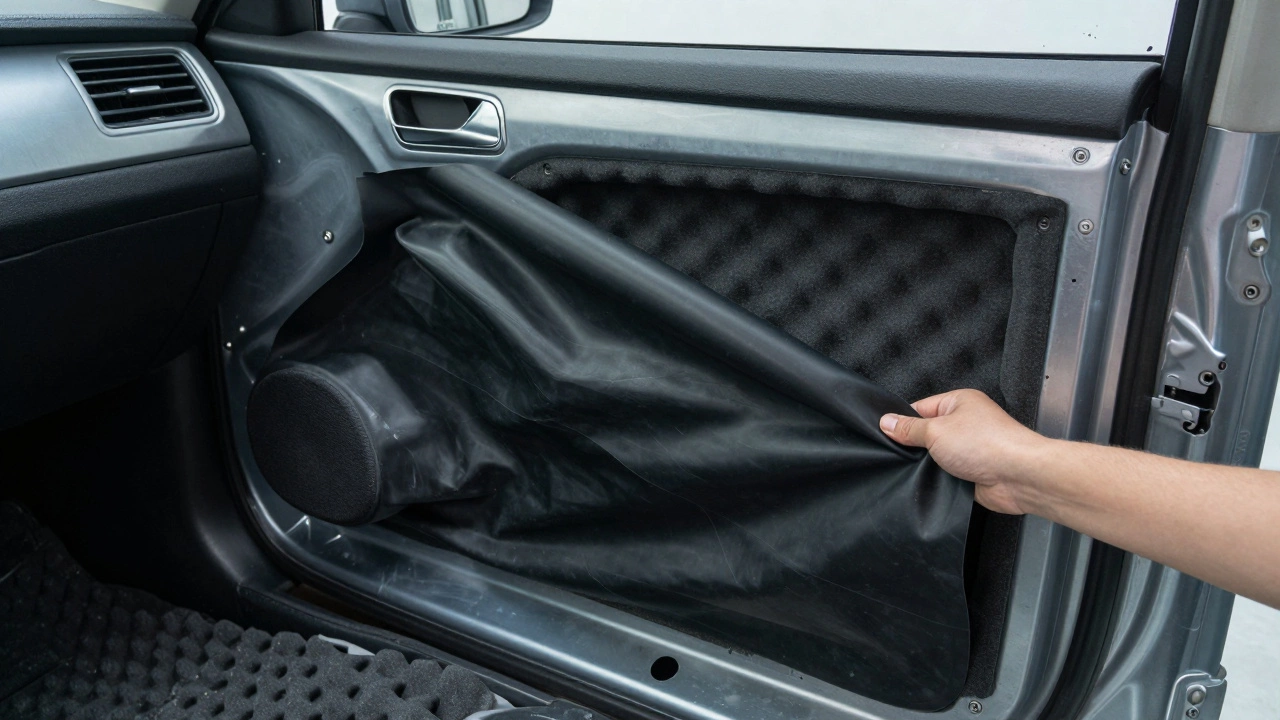
Start with the door panels. Removing them and applying butyl rubber mats to the metal skin can significantly dampen vibrations. Next, tackle the floor under the carpets. Adding a layer of foam insulation absorbs road noise before it enters the cabin. Don’t forget the trunk-it acts as a resonance chamber. Lining it with MLV reduces engine and tire noise from traveling up through the rear seats.
Even simple changes like replacing worn-out door seals can help. Old rubber seals let in wind noise, which adds to the overall cacophony. New seals are cheap and easy to install, offering immediate relief.
Climate Control: Beyond the AC Button
A comfortable temperature is non-negotiable. But most people rely solely on their car’s HVAC system, which can struggle in extreme weather. In Adelaide’s hot summers, for instance, the sun beating through the windshield can turn your dashboard into a sauna within minutes.
Invest in a window sunshade is a reflective barrier placed over the windshield to block solar radiation. These aren’t just for parked cars; some models fit snugly inside the windshield glass, allowing you to use them while driving. They reflect up to 95% of sunlight, keeping the cabin noticeably cooler.
For winter, consider heated steering wheels and seat warmers if your car doesn’t have them. Aftermarket kits are available for most vehicles and can be installed by a local electrician. They provide targeted warmth without cranking up the heater, which saves fuel and keeps your eyes from fogging up.
Lighting and Visibility: Reducing Eye Strain
Poor lighting causes eye strain, headaches, and slower reaction times. Many modern cars have overly bright instrument clusters or dim ambient lighting that creates glare. Here’s how to fix it:
- Dimmer Switches: Use your car’s dimmer switch to adjust the brightness of your dashboard lights at night. Too much light distracts; too little forces you to squint.
- Anti-Glare Mirrors: Replace standard rearview mirrors with auto-dimming ones. They detect headlights behind you and automatically darken to prevent blinding glare.
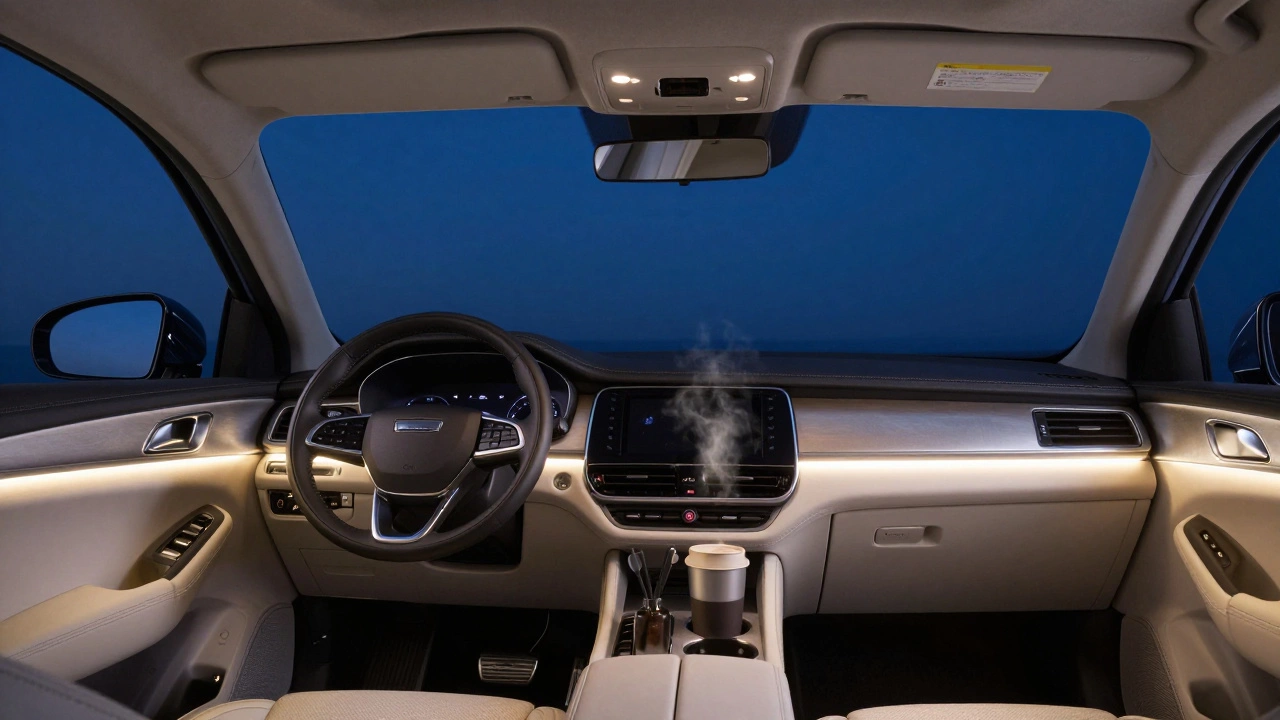
- Ambient Lighting: Install soft LED strips under the footwells or along the door panels. Choose warm white or cool blue tones-they’re easier on the eyes than harsh yellow or red lights.
Also, keep your windshield clean. Dust and grime scatter light, creating halos around streetlights and oncoming headlights. A thorough wash and wax job improves visibility dramatically.
Storage and Organization: Clutter-Free Comfort
A messy car is a stressful car. When everything has a designated spot, you spend less time searching for your phone, keys, or sunglasses-and more time relaxing. Start by decluttering your glove box and center console. Remove old receipts, expired registration papers, and random junk.
Add cup holders are adjustable mounts that secure beverages and prevent spills. If your car lacks adequate storage, install additional cup holders in the armrest or door panels. This prevents drinks from sliding onto your lap during turns.
Use mesh organizers behind the front seats to store maps, tablets, or snacks. They keep items visible and accessible without taking up valuable space. For larger items, invest in a trunk organizer with compartments. It keeps groceries, tools, or gym gear neatly stacked and prevents them from rolling around when you brake suddenly.
Final Touches: Personalization and Ergonomics
Comfort is subjective. What works for one person might annoy another. That’s why personalization matters. Add a headrest pillow for neck support, especially if you doze off during long drives. Use a steering wheel cover made from grippy material like suede or silicone to improve grip and reduce hand fatigue.
Check your mirror angles. Poorly positioned mirrors force you to twist your neck, causing tension. Adjust them so you can see clearly without moving your head. Similarly, ensure your seat height gives you a clear view of the road without straining your legs.
Finally, don’t underestimate the power of scent. A pleasant aroma can boost mood and alertness. Opt for subtle diffusers with essential oils like lavender or eucalyptus. Avoid overpowering fragrances that cause headaches.
Is it worth investing in aftermarket seats?
If your factory seats cause pain or discomfort, yes. Aftermarket seats offer better ergonomics, materials, and adjustability. However, ensure they integrate properly with your airbag system for safety.
Can I soundproof my car myself?
Absolutely. Basic soundproofing involves removing panels, applying adhesive mats, and reinstalling. It’s labor-intensive but cost-effective compared to professional services. Just follow online tutorials carefully.
Do window sunshades affect driving visibility?
No, if used correctly. Windshield sunshades are designed to sit flush against the glass without obstructing your field of view. Side window shades should be removed while driving to maintain peripheral vision.
What’s the best way to reduce road noise?
Focus on the doors and floor first. Applying butyl rubber mats to these areas blocks vibration transmission. Sealing gaps with new weatherstripping also helps minimize wind noise.
Are heated seats safe for all vehicle types?
Yes, as long as they’re installed correctly. Aftermarket kits include wiring harnesses that connect to your fuse box. Always consult a professional to avoid electrical shorts or fire hazards.