Most people think a high-end cabin is something you can only get by dropping sixty thousand dollars on a European sedan. But here is the truth: luxury isn't just about the brand on the steering wheel; it is about the tactile experience, the visual cohesion, and the absence of clutter. You can transform a basic commuter car into a space that feels like a private lounge with a few strategic upgrades and a strict eye for detail. Whether you are driving a ten-year-old sedan or a brand-new hatchback, the goal is to move away from "plastic-heavy" and toward "premium-feel."
Key Takeaways for a High-End Cabin
- Focus on Texture: Swap cheap plastics and worn fabrics for leather, Alcantara, or high-grade synthetics.
- Color Harmony: Stick to a limited palette-monochromatic or high-contrast pairings work best.
- Lighting is Everything: Ambient lighting bridges the gap between a standard car and a luxury vehicle.
- Deep Clean First: You cannot build luxury on top of crumbs and dust; detailing is the foundation.
The Foundation of Luxury: Texture and Materials
The first thing you notice in a luxury car is how things feel under your fingertips. In a standard car, you have hard, scratchy plastics. To fix this, start with luxury car interior is the art of enhancing the aesthetic and tactile quality of a vehicle's cabin using premium materials and design principles.
If your seats are fabric and looking tired, consider high-quality seat covers. I am not talking about the baggy, universal ones from a big-box store. Look for custom-fit covers made from Nappa Leather a high-grade, full-grain leather known for its softness and smooth texture, often used in high-end automotive interiors. If you want a more modern, sporty luxury vibe, Alcantara a synthetic microfiber material that resembles suede, offering high grip and a premium matte finish is your best bet. It is incredibly durable and prevents you from sliding around during turns, which is a hallmark of high-performance luxury cars.
Don't forget the touchpoints. The steering wheel is the most touched surface in the car. Wrapping a basic wheel in stitched leather or Alcantara immediately changes the feel of the drive. Similarly, adding leatherette inserts to the door panels can hide ugly plastic trim and make the entire cabin feel more cohesive.
Lighting the Way to a Premium Feel
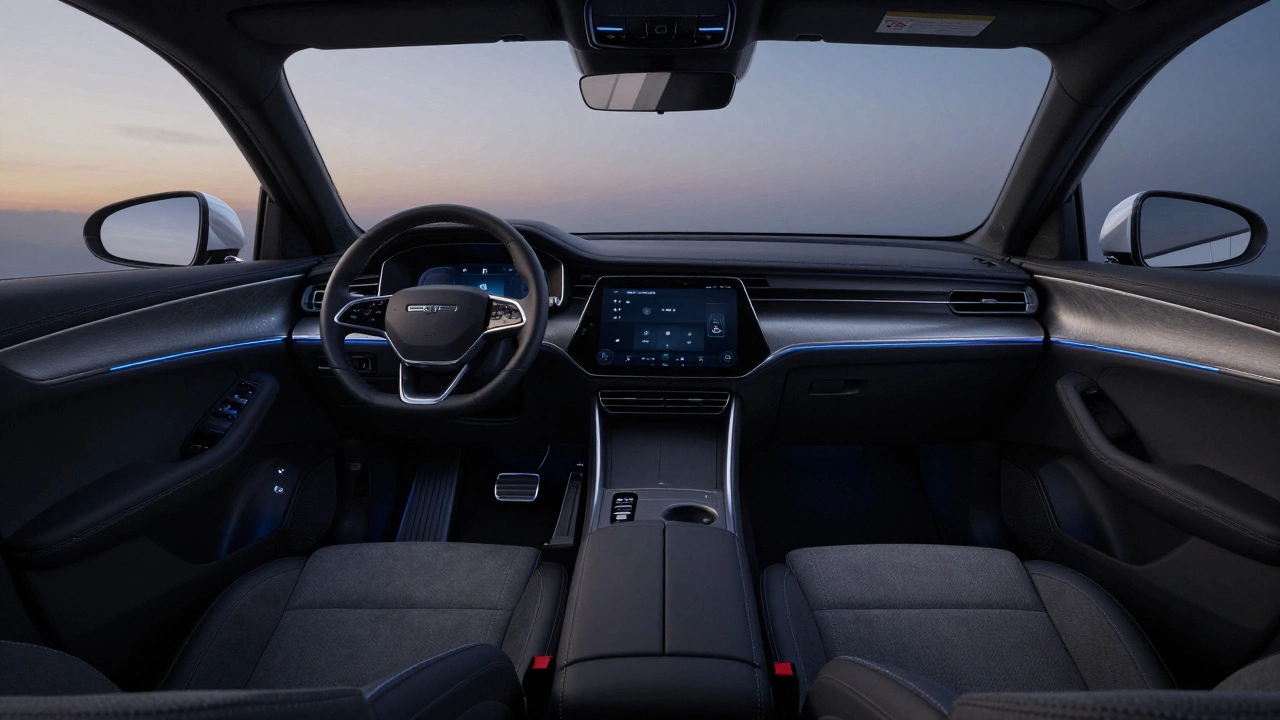
Walk into any new Mercedes or BMW, and you will see a glow. They use light to define the space. You can mimic this by installing a subtle Ambient Lighting Kit an integrated LED system that provides soft, indirect illumination throughout the car's cabin. The trick here is to avoid "gamer" lights-no flashing rainbows or neon greens. Stick to a soft white, a deep amber, or a subtle ice blue.
Place your LED strips in the footwells and along the dashboard seams. The goal is indirect light. If you can see the actual LED bulb, you've done it wrong. The light should bleed out from under the trim, creating a floating effect that makes the interior feel wider and more expensive. This simple change shifts the mood from "transportation" to "experience."
| Material | Luxury Feel | Durability | Maintenance | Best Use Case |
|---|---|---|---|---|
| Nappa Leather | Extreme | High | Medium (Needs Conditioning) | Seats & Steering Wheel |
| Alcantara | High | Very High | Low (Brush cleaning) | Headliners & Dash Inserts |
| Carbon Fiber | Modern/Sleek | Extreme | Low | Center Console Trim |
| Vegan Leather | Moderate | High | Very Low | Budget-friendly seat upgrades |
Color Theory and Visual Cohesion
One of the biggest mistakes people make is adding too many colors. Luxury is defined by restraint. Look at the most expensive cars in the world; they usually stick to a two-tone or monochromatic scheme. If your interior is mostly black, don't throw in a red steering wheel, a blue floor mat, and a yellow air freshener. It looks chaotic, not luxurious.
If you want a sophisticated look, try the "tonal" approach. This means using different shades of the same color. For example, a charcoal grey interior with black accents and a slate grey steering wheel wrap. If you want a bold look, go for a high-contrast pairing like cream and black or tan and dark brown. The key is consistency. If you add a carbon fiber trim piece to the center console, carry that theme over to the door handles or the gear shifter surround.
Consider the Car Headliner the interior ceiling of a vehicle, which can be upholstered in fabric, suede, or Alcantara to improve aesthetics and sound dampening. A sagging or stained ceiling is an instant luxury-killer. Replacing a grey fabric headliner with a black Alcantara one creates a "cocoon" effect that makes the cabin feel intimate and expensive.
Eliminating the 'Cheap' Factors
Sometimes, luxury is about what you take away rather than what you add. The first thing to go is the clutter. No hanging dice, no oversized air fresheners, and definitely no piles of old receipts in the center console. A clean space is a luxury space.
Next, look at the plastics. Cheap, glossy plastics tend to scratch and attract fingerprints, which makes a car look old quickly. You can use Vinyl Wrapping the process of applying a thin, adhesive plastic film to a surface to change its color or texture to cover those high-gloss areas. A matte black or brushed aluminum wrap can make a plastic dashboard look like a piece of machined metal. It's a cheap fix that provides a massive visual upgrade.
Sound is also a huge part of the luxury experience. If you can hear every pebble hitting the wheel well, your car doesn't feel expensive. Adding Sound Deadening insulating materials like butyl rubber or closed-cell foam installed in the car's chassis to reduce Noise, Vibration, and Harshness (NVH) (like Dynamat or Noico) under the carpets and inside the door panels reduces road noise. When the cabin is quiet, the overall perceived quality of the materials increases because the car feels more solid and composed.
The Finishing Touch: Professional Detailing
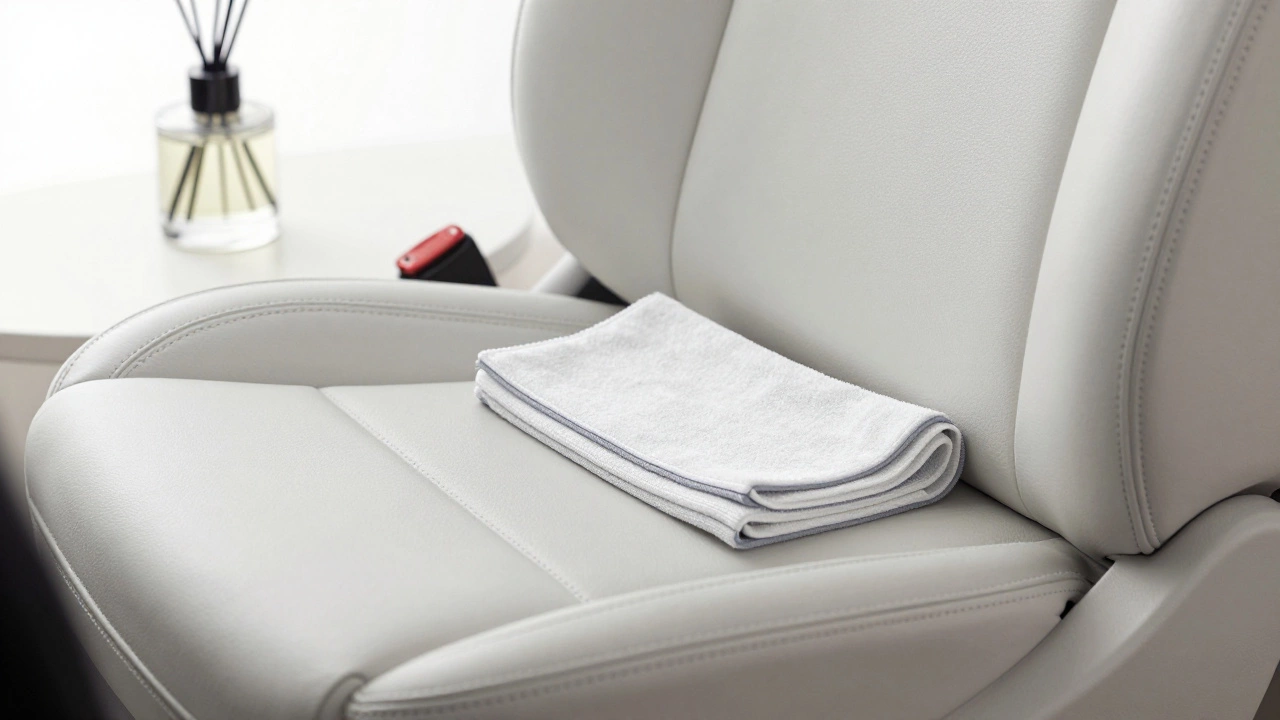
You can spend thousands on leather and lights, but if there is a layer of dust in the vents, it's all for nothing. Car Detailing the process of deep cleaning, polishing, and protecting a vehicle's interior and exterior to a professional standard is the secret weapon of any high-end build. Use a steam cleaner on the upholstery to remove deep-set oils and odors.
For leather surfaces, avoid those greasy, high-shine protectants. Real luxury leather has a matte or satin finish. Use a pH-balanced leather cleaner and a conditioner that leaves a natural look. If you have plastic trim, use a matte-finish dressing. High-gloss "wet look" plastics look cheap and outdated; a clean, factory-matte finish looks modern and sophisticated.
Don't forget the scent. Avoid the overpowering "New Car" sprays that smell like chemicals. Instead, opt for subtle, high-end scents like sandalwood, leather, or cedar. A discreetly placed scent diffuser or a high-quality leather conditioner provides a smell that suggests quality without screaming for attention.
Will adding Alcantara make my car harder to clean?
Not necessarily, but it requires different tools. You can't just wipe Alcantara with a wet rag. You need a soft-bristled brush to keep the pile from matting down and a specialized microfiber cloth. If you spill something, you have to blot it immediately rather than scrubbing, or you'll ruin the texture.
Is vinyl wrapping the dashboard safe?
Yes, as long as you use automotive-grade vinyl. Cheap craft vinyl will peel or shrink when the car gets hot in the sun. Professional wraps are designed to withstand temperature swings and are completely reversible, so they won't permanently damage your original interior.
How do I choose the right ambient lighting color?
Look at the secondary colors in your interior. If you have tan seats, a warm white or gold light complements them. If you have a grey or black interior, a cool white or a deep blue looks sharper. Avoid colors like bright pink or lime green if your goal is "luxury," as these lean more toward a customized tuner look.
Does sound deadening actually make a difference?
Absolutely. It reduces the "hollow" sound of the cabin. By adding mass to the floor and doors, you stop the metal from vibrating, which makes the interior feel denser and more isolated from the outside world, much like a high-end luxury sedan.
Can I install these upgrades myself or do I need a pro?
Detailing, ambient lighting, and simple trim wraps are great DIY projects. However, for custom Nappa leather seat installation or full headliner replacement, I'd recommend a professional upholstery shop. A poorly fitted seat cover looks cheaper than the original fabric, defeating the whole purpose.
Next Steps for Your Interior Project
If you are overwhelmed, don't try to do everything at once. Start with the detailing-it's the cheapest way to see an immediate improvement. Once the car is spotless, move to the touchpoints: get a leather steering wheel wrap. From there, you can move into lighting and eventually tackle the larger upholstery projects.
For those with a tighter budget, focus on the "visual noise." Clear out the junk, replace the cheap floor mats with heavy-duty carpeted ones, and use a matte trim restorer. You'll be surprised how much a clean, monochromatic space feels like a luxury vehicle without spending a fortune.