Car Detailing Profit Estimator
Service Configuration
Financial Breakdown
Turning a Passion for Shine into a Paycheck
Most people think starting a detailing business is just about owning a vacuum and some soap. But if you've ever spent four hours trying to get a single seat out of a coffee stain, you know it's actually a game of precision, patience, and the right chemistry. The good news? You don't need a massive warehouse or a million-dollar loan to get moving. Whether you're working from your driveway or planning a mobile rig, the barrier to entry is low, but the ceiling for quality is high.
If you can make a ten-year-old sedan look like it just rolled off the showroom floor, people will pay you for that transformation. The real challenge isn't the cleaning itself; it's building a system that lets you scale without burning out. You're not just selling a clean car; you're selling the feeling of pride someone gets when they open their garage door.
Key Takeaways for Your Startup
- Start small with high-quality car detailing kits to keep initial overhead low.
- Focus on a specific niche (like interior restoration or ceramic coatings) to stand out.
- Price your services based on the value of the result, not just the hour of work.
- Prioritize a mobile setup to reach customers where they are.
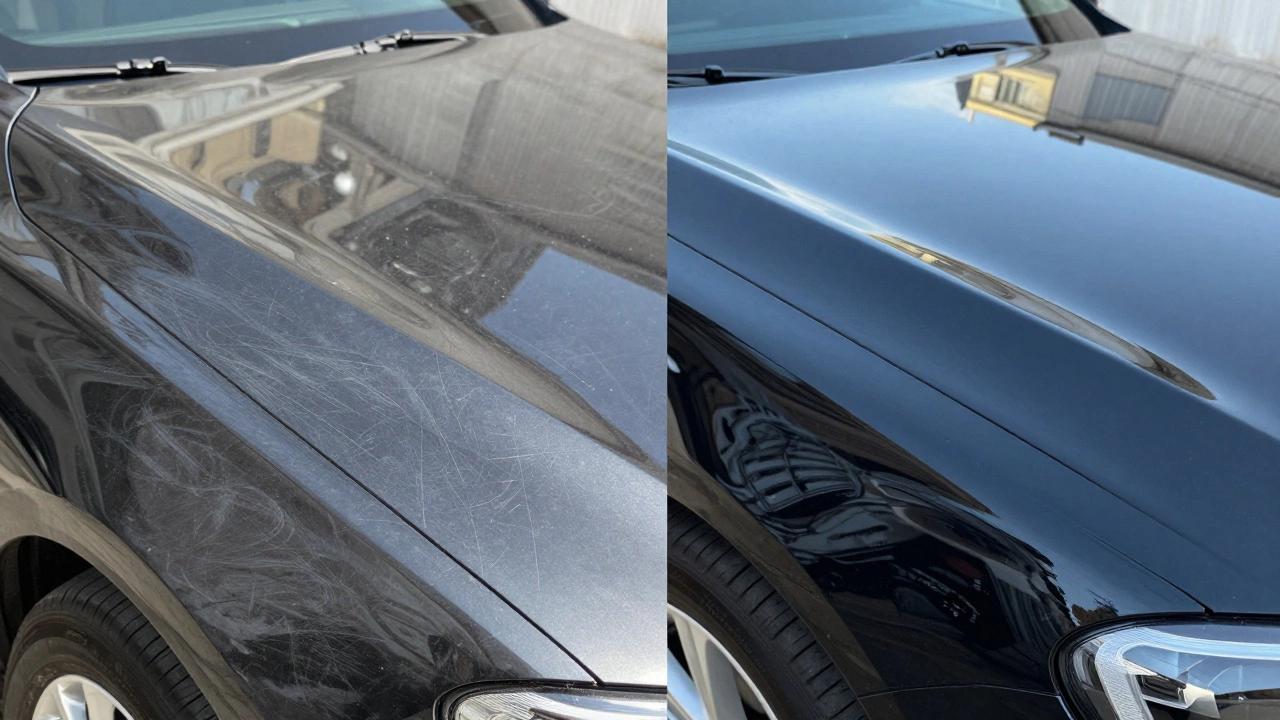
- Build a portfolio of "before and after" shots to prove your skill.
Defining Your Business Model
Before you buy a single microfiber towel, you need to decide how you'll actually operate. There are two main paths here: the fixed location and the mobile unit. A fixed shop gives you a controlled environment-no wind blowing dust onto your fresh wax-but it comes with high rent and utility bills.
For most beginners, a Mobile Detailing is a business model where the detailer travels to the client's home or office using a vehicle equipped with water and power. This removes the rent burden and makes your service incredibly convenient. If you can show up at a corporate parking lot and clean five cars while the owners are at their desks, you've just optimized your workday.
You also need to decide your service tier. Will you be the "budget wash" guy, or the "luxury restoration" expert? If you go for high-end, you can charge $300+ for a single vehicle, but you'll need advanced skills in paint correction and high-grade sealants. If you go for volume, you'll need a faster workflow and a more aggressive marketing strategy.
Essential Gear and Equipment
You don't need every gadget on the market, but using the wrong tool can ruin a customer's paint, and that's a mistake you can't afford. Instead of buying a hundred individual bottles, starting with professional Car Detailing Kits is a smart move. These bundles usually group compatible chemicals and tools, ensuring you don't accidentally mix a pH-unbalanced soap with a delicate wax.
Here is the baseline equipment you'll need to produce professional results:
| Tool | Purpose | Pro Tip | ||||||||||||
|---|---|---|---|---|---|---|---|---|---|---|---|---|---|---|
| Pressure Washer | Deep cleaning and rinsing | Use a foam cannon to dwell soap on the paint longer. | Wet/Dry Vacuum | Interior debris and liquid extraction | Get one with a narrow crevice tool for side-seats. | Dual Action (DA) Polisher | Removing swirls and scratches | Start with a low RPM to avoid burning the paint. | Microfiber Towels | Safe wiping and drying | Color-code them: blue for glass, yellow for interior. | Steam Cleaner | Disinfecting and stain removal | Great for removing odors from fabric seats. |
While the gear is important, the chemistry is where the magic happens. You'll need a dedicated All-Purpose Cleaner (APC), which is a versatile cleaning agent used to remove grime from various surfaces like plastics, rubber, and vinyl. Pair this with a dedicated wheel cleaner that reacts with brake dust, and a high-quality sealant to protect the finish. If you're offering premium services, investing in Ceramic Coatings- liquid polymers that bond with vehicle factory paint to create a permanent layer of protection-will allow you to charge a significant premium.
Pricing Your Services for Profit
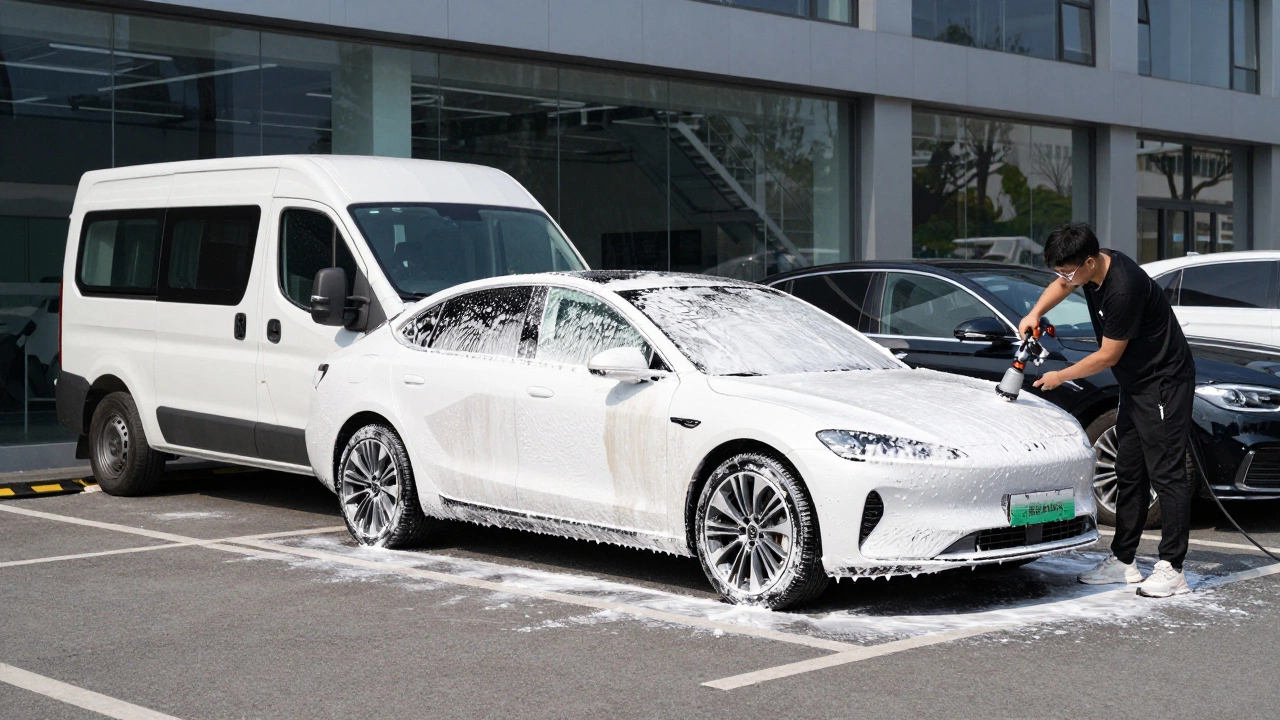
The biggest mistake new detailers make is undercharging. They look at the guy at the local car wash charging $20 and think they should stay in that ballpark. You aren't a car wash; you're a specialist. If you spend six hours deep-cleaning a minivan with three kids' worth of Cheerios in the cracks, a $50 fee is a losing game.
Try a tiered pricing structure. For example, a "Basic Refresh" might include a wash, vacuum, and tire shine for $80. An "Interior Deep Clean" could be $150, involving steam cleaning and shampooing. A "Full Restoration" including paint correction and a sealant could easily be $400 or more.
When calculating your price, don't just look at the clock. Factor in your chemical costs, fuel for your mobile rig, and the wear and tear on your equipment. If you use a high-end ceramic sealant that costs $30 per car, that must be baked into the price. A good rule of thumb is to aim for a profit margin where your labor is paid at a professional rate, and the business still keeps 20-30% for growth.
Finding Your First Customers
You don't need a huge advertising budget to get started. In fact, the most powerful tool in detailing is a side-by-side photo. Take a photo of a filthy wheel, then a photo of it sparkling. Post that on a local community Facebook group or Instagram. People love seeing a dramatic transformation; it proves your value immediately.
Start with your immediate circle. Offer a discounted rate to friends and neighbors in exchange for a detailed review. Word-of-mouth is the gold standard in this industry. If you can get five local business owners to trust you with their cars, they'll tell their colleagues, and suddenly your Tuesday morning is booked solid with corporate fleet vehicles.
Another pro move is to partner with other local businesses. Maybe a local window tinting shop or a mechanic doesn't offer detailing. You can leave your business cards there or offer a referral fee for every client they send your way. It's a win-win: they provide more value to their customers, and you get a steady stream of leads.
Legal Basics and Risk Management
Cleaning a car seems low-risk, but you're dealing with expensive assets. One wrong move with a polisher can lead to a "burn through," where you remove too much clear coat and ruin the paint. This is where General Liability Insurance comes in. It's not just a formality; it's your safety net. If you accidentally scratch a Porsche's paint, you want the insurance company paying for the respray, not you.
You should also have a simple service agreement. This is a piece of paper (or a digital form) that the customer signs before you start. It should state that you aren't responsible for pre-existing damage, such as cracked leather or peeling clear coat. This prevents the "that scratch wasn't there before" argument when you're finished.
Depending on where you operate, check your local zoning laws. Some cities have strict rules about running a business from a residential driveway, especially regarding water runoff. Using biodegradable chemicals and a water-recovery system can keep you on the right side of the law and the environment.
Scaling Your Business
Once you're fully booked, you've hit a ceiling. You only have so many hours in a day. To grow, you have two choices: raise your prices or hire help. Raising prices is the fastest way to increase profit without increasing work. As your reputation grows, you can transition from the "affordable option" to the "premium specialist."
If you decide to hire, start with a part-time helper to do the "grunt work"-vacuuming and wheels-while you handle the technical parts like paint correction. This allows you to finish cars faster and take on more volume. Eventually, you can invest in a second mobile van and a lead detailer, moving your role from the one holding the buffer to the one managing the business.

Frequently Asked Questions
How much money do I need to start a small detailing business?
Do I need a certification to be a car detailer?
What is the difference between detailing and a car wash?
How long does a full detail usually take?
Which is better: wax or ceramic coating?
Next Steps for Your Journey
If you're feeling overwhelmed, just start with one car. Find a friend with a messy vehicle and offer to do a full detail for free. This is your training ground. Practice your techniques, time yourself, and take those crucial before-and-after photos. Once you've mastered the process on one car, you'll have the confidence to charge for the next one. From there, it's just a matter of consistency and quality.