Quick Takeaways
- Ride quality usually gets harsher and bumpier.
- You'll likely deal with more wear and tear on your suspension and chassis.
- Daily driving becomes a game of avoiding potholes and steep ramps.
- Incorrect setups can lead to alignment issues and faster tire wear.
The Brutal Truth About Ride Quality
When you lower a car, you're fundamentally changing how the vehicle handles impacts. To keep a car from bouncing like a pogo stick when it's lower, manufacturers use lowering springs stiffer replacement springs designed to reduce the ride height of a vehicle. Because these springs have a higher spring rate-meaning they are stiffer-they don't absorb road imperfections as well as factory equipment.
In a stock car, the suspension glides over a dip. In a lowered car, that same dip feels like a hammer blow to your spine. You'll notice this most in the "chatter" felt through the steering wheel on rough asphalt. If you're using cheap springs without upgrading your dampers, you might also experience "bottoming out," where the suspension reaches its limit and slams the frame against the bump stop, creating a loud thud that can shake the entire cabin.
Ground Clearance and the Daily Struggle
The most obvious downside is the loss of ground clearance. It sounds simple, but it changes how you live your life. You stop parking in the middle of the lot and start hunting for the flattest spot available. A simple trip to the grocery store can become a stressful event if the parking garage has a steep incline.
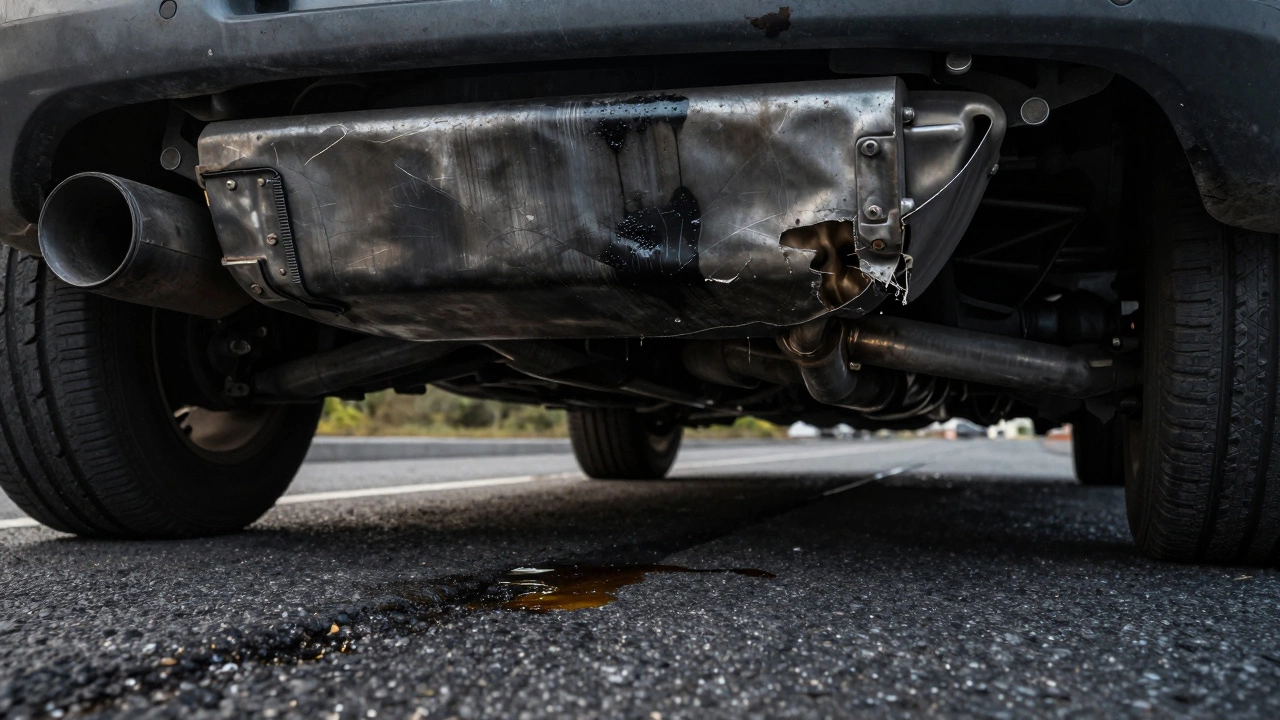
It isn't just about the bumpers. When you lower a car, you risk damaging the Oil Pan the reservoir at the bottom of the engine that holds engine oil. A single misplaced rock or a deep pothole can crack the pan, leading to instant oil loss and a dead engine. You also have to worry about the exhaust system. The pipes sit closer to the ground, and a hard hit can dent a pipe or even tear a manifold away from the engine block.
| Feature | Stock Suspension | Lowered Suspension |
|---|---|---|
| Speed Bumps | Breeze through at normal speed | Slow crawl, diagonal approach |
| Potholes | Absorbed by long travel | High risk of rim/tire damage |
| Ride Comfort | Plush and forgiving | Stiff, jerky, more vibration |
| Parking | Park anywhere | Avoid steep ramps and curbs |
The Hidden Cost of Wear and Tear
Lowering your car doesn't just change the look; it changes the geometry of your Suspension System the system of springs and shock absorbers that connects a vehicle to its wheels. Most cars are designed with a specific "roll center" and arc of movement for the control arms. When you drop the body, you push these components out of their intended range.
One of the biggest casualties is the Shock Absorber a hydraulic device that dampens spring oscillation to maintain tire contact. Factory shocks are valved for factory spring rates. When you pair a stiff lowering spring with a soft factory shock, the shock can't control the spring's energy. This leads to premature wear, leaking seals, and a car that feels unstable at high speeds. You'll likely find yourself replacing shocks every two years instead of every five.
Then there are the bushings. These rubber components allow the suspension to move smoothly. In a lowered setup, bushings are often twisted or compressed at angles they weren't designed for. This causes the rubber to tear faster, leading to mysterious clunks and rattles that are expensive to fix because they require dismantling the rest of the suspension.
Alignment Issues and Tire Destruction
If you don't get a professional alignment immediately after lowering, you are essentially burning money. Lowering a car almost always changes the Camber the angle of the wheels relative to the vertical axis of the vehicle. Specifically, you often get more negative camber, where the tops of the tires tilt inward.
While a little negative camber can help with cornering, too much of it causes "inner tire wear." You might look at your tires and think they have plenty of tread, only to realize the inside edge is completely bald. If you're running an aggressive drop, you may find that your tires need replacing every 10,000 to 15,000 miles instead of the usual 40,000. This is a recurring cost that many people forget to budget for.
The Legal and Insurance Headache
Depending on where you live, lowering your car can put you in the crosshairs of the law. Many regions have minimum height requirements for headlights to ensure they don't blind other drivers and that they illuminate the road correctly. If your car is too low, you might fail a safety inspection or get pulled over for a non-compliant modification.
Insurance companies aren't always fans of modifications either. Some insurers view a lowered car as a "modified vehicle," which can increase your premiums. Even worse, if you're involved in an accident and the adjuster decides the modification contributed to the crash (like a suspension component failing due to stress), they might deny your claim entirely. Always check your policy before you change the chassis height.
How to Mitigate the Damage
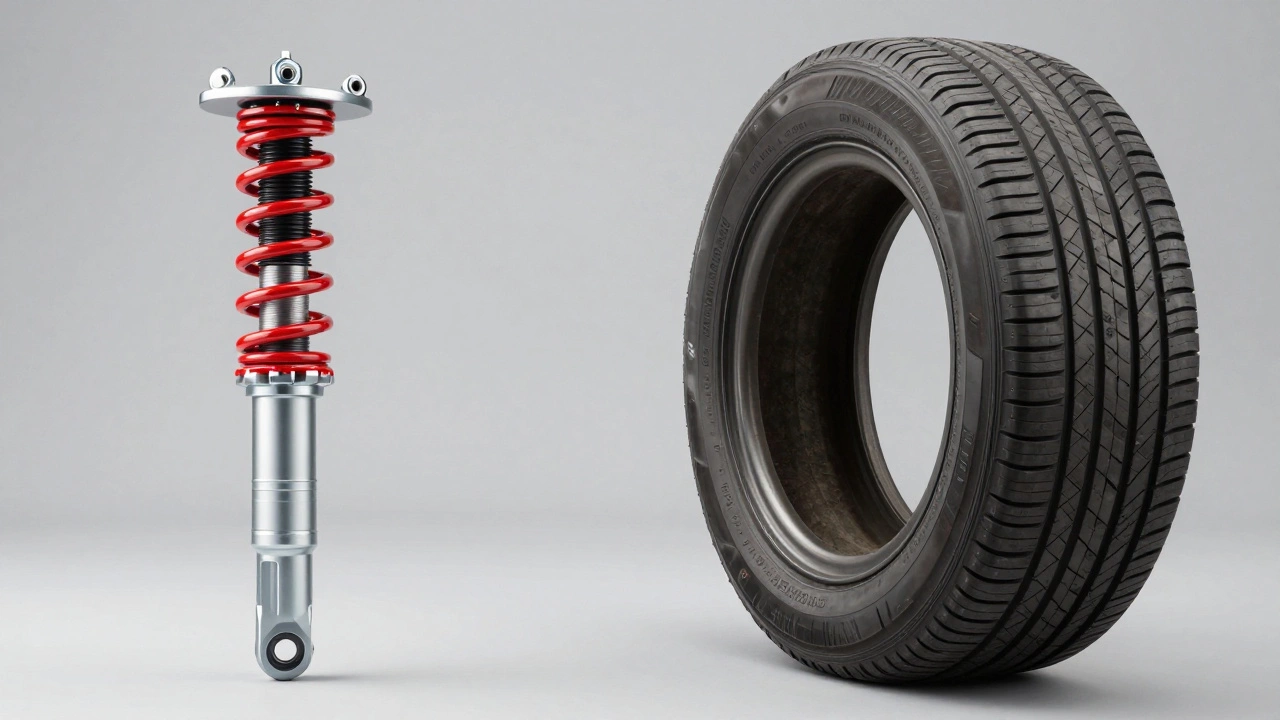
If you're still dead set on lowering your ride, you don't have to accept all these cons. The secret is avoiding the "budget' route. Instead of just swapping springs, consider Coilovers adjustable suspension units that combine the spring and shock into one assembly. Coilovers allow you to tune the height and often the stiffness (damping), which can help recover some of the lost ride quality.
Additionally, installing adjustable camber arms or control arms can fix the alignment issues that plague lowered cars. It costs more upfront, but it saves you from buying new tires every few months. Finally, always get a full four-wheel alignment after any height change. It's the only way to ensure your car doesn't wander across the lane when you hit a bump.
Does lowering a car always make it handle better?
Not necessarily. While lowering the center of gravity reduces body roll in corners, it can actually make the car handle worse on bumpy roads. If the suspension is too stiff, the tires can "skip" over imperfections instead of gripping the road, which can lead to a loss of traction during high-speed maneuvers.
Will lowering my car affect my fuel economy?
In some cases, yes. By lowering the car, you slightly change the angle of the vehicle relative to the wind, which can theoretically improve aerodynamics and slightly increase MPG. However, this is usually offset by the fact that people often install wider tires or heavier wheels when they lower their car, which increases rolling resistance and lowers fuel efficiency.
Can I just cut my factory springs to lower the car?
Absolutely not. Cutting springs is dangerous and imprecise. It ruins the spring's engineered rate, often leads to the spring "popping out" of the perch, and creates an unpredictable and bouncy ride. Always use purpose-built lowering springs or coilovers.
Do I need to change my shocks if I use lowering springs?
You don't have to, but you probably should. Factory shocks aren't designed for the shorter travel and higher stiffness of lowering springs. This often leads to "blowouts" where the shock leaks oil and fails. Upgrading to short-stroke shocks or coilovers is the best way to preserve your ride quality.
Will lowering my car cause it to scrap on every bump?
It depends on the drop. A mild 1-inch drop is usually manageable for most. A 2-to-3 inch drop, however, will either require you to drive very carefully or install air suspension, which allows you to raise the car on demand.
Next Steps for Your Build
If you've decided to move forward, start by mapping out your daily commute. If you live in an area with terrible roads or steep driveways, a massive drop is a recipe for disaster. Consider a moderate drop that gives you the look without destroying your oil pan.
Your first purchase should be the suspension kit-preferably coilovers if your budget allows. Once installed, head straight to an alignment shop. Don't try to "feel out" the alignment yourself; use a professional rack to ensure your toe and camber are within a functional range. Finally, keep a close eye on your inner tire tread for the first 5,000 miles to make sure your settings aren't eating your rubber too quickly.