Suspension Upgrade Advisor: Lowering Springs vs Coilovers
Use this tool to determine which suspension upgrade fits your driving style, budget, and goals based on the article's analysis.
Recommendation
| Feature | Lowering Springs | Coilovers |
|---|---|---|
| Price Range | $200 - $600 | $800 - $3,000+ |
| Ride Height Adjustment | Fixed (Non-adjustable) | Fully Adjustable |
| Damping Control | Factory Dampers Only | Rebound/Compression Adjustments |
| Installation Difficulty | Moderate | High (Requires Alignment) |
| Maintenance | None | Periodic Bleeding/Oil Changes |
| Best Use Case | Daily Driver / Show Stance | Track Days / Performance Driving |
Key Consideration:
You’ve saved up for a suspension upgrade. You want that aggressive stance, better cornering, and the feeling that your car actually wants to turn instead of drifting off the road. But standing in front of the parts catalog, you’re stuck on one question: do you grab the cheap set of lowering springs, or do you drop the extra cash for a full set of coilovers?
This isn’t just about how low your car sits. It’s about what you’re willing to sacrifice. One option gives you style and handling on a budget but might ruin your daily drivability. The other offers precision and adjustability but comes with a steep price tag and maintenance headaches. Let’s break down exactly what goes under the hood-or rather, under the wheels-so you can make a choice that fits your wallet and your driving habits.
The Anatomy of Your Suspension
Before we pick sides, you need to understand what these parts actually do. Most modern cars come with a MacPherson strut setup at the front. This means your shock absorber (damper) is wrapped inside a spring. At the rear, you might have separate shocks and springs, or a multi-link setup.
Lowering springs are exactly what they sound like: shorter, stiffer steel coils designed to replace your factory springs. They keep your original dampers. Think of it like putting a tighter shirt on someone; the body (the damper) stays the same, but the fit changes.
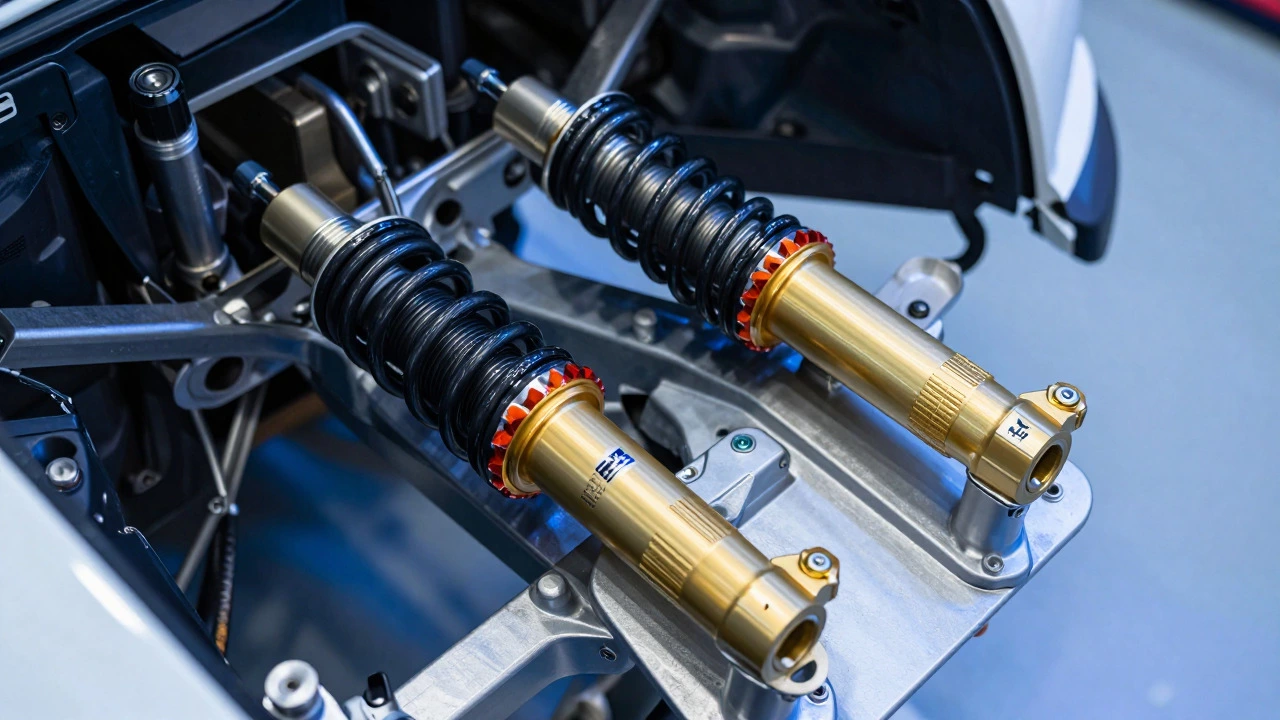
Coilovers, short for coil-over-shocks, are an all-in-one unit. The spring sits directly over the shock absorber. When you buy coilovers, you are replacing both the spring and the damper. This allows engineers to tune the damping specifically for the lower ride height and stiffer spring rate, which factory shocks were never designed to handle.
Lowering Springs: The Budget-Friendly Stance
If your goal is primarily aesthetic and you drive mostly on smooth city streets, lowering springs are the obvious starting point. Brands like Eibach, H&R, and Bilstein offer kits that drop your car anywhere from 1.5 to 3 inches. The cost? Usually between $200 and $600 for a full set, plus installation.
The biggest advantage here is simplicity. You don’t need to bleed brake lines or adjust camber plates unless you go extremely low. You pop out the old springs, put in the new ones, and boom-you look meaner. For many enthusiasts in Adelaide who park on concrete pads and rarely hit potholes, this is the perfect sweet spot.
But there’s a catch. Factory dampers are tuned for comfort and a higher ride height. When you drop the car significantly, those dampers run out of travel. This leads to "bottoming out" when you hit a speed bump or a drain cover. Worse, the mismatch between stiff springs and soft shocks can cause the car to bounce excessively after hitting a bump, making long drives tiring.
- Pros: Affordable, easy to install, retains some factory comfort if dropped moderately.
- Cons: Non-adjustable ride height, potential bottoming out, uneven tire wear if alignment isn't perfect.
Coilovers: Precision and Control
Now let’s talk about the serious stuff. Adjustable coilovers are the gold standard for handling improvement. Companies like KW, BC Racing, and Tein build systems where you can tweak everything. Want the car lower for a show? Turn the knob. Need more ground clearance for a gravel driveway? Raise it back up.
The real magic happens in the damping. High-end coilovers often feature rebound adjustment (how fast the spring extends) and sometimes compression adjustment (how fast it compresses). This lets you dial in the exact feel you want. Soft for Sunday cruises, firm for track days. Because the spring and damper are matched as a system, the car feels planted. No more wallowing in corners. The steering response becomes sharper because the anti-roll effect of the stiffer springs reduces body lean.
However, this performance comes at a cost. A decent set of street-oriented coilovers starts around $800 and quickly climbs to $2,500+ for top-tier brands. Installation is also more complex. You’ll likely need to adjust your camber angles afterward because the geometry changes drastically. If you live in an area with rough roads, like some of the older suburbs in Adelaide, you might find even the "soft" setting of coilovers too harsh for daily commuting.
- Pros: Fully adjustable ride height and damping, superior handling, matched spring/damper rates.
- Cons: Expensive, requires regular maintenance (bleeding), can be noisy or harsh on bad roads.
Key Differences at a Glance
| Feature | Lowering Springs | Coilovers |
|---|---|---|
| Price Range | $200 - $600 | $800 - $3,000+ |
| Ride Height Adjustment | Fixed (Non-adjustable) | Fully Adjustable |
| Damping Control | Factory Dampers Only | Rebound/Compression Adjustments |
| Installation Difficulty | Moderate | High (Requires Alignment) |
| Maintenance | None | Periodic Bleeding/Oil Changes |
| Best Use Case | Daily Driver / Show Stance | Track Days / Performance Driving |
When to Choose Lowering Springs
Pick lowering springs if you view your car primarily as a daily driver that you want to look good. If you spend most of your time on highways and well-maintained suburban streets, the difference in handling might not justify the cost of coilovers. You also choose springs if you plan to sell the car soon; buyers often prefer stock-ish setups with minor upgrades over heavily modified suspensions that might scare them off.
Another reason to stick with springs is if you don’t trust yourself to maintain coilovers. Cheap coilovers can leak oil within a year. Quality ones last longer but still require bleeding every few years. Springs are "install and forget." Just remember to get a proper alignment afterward. Dropping the car changes the camber angle, leading to inner-edge tire wear if you ignore it.
When to Choose Coilovers
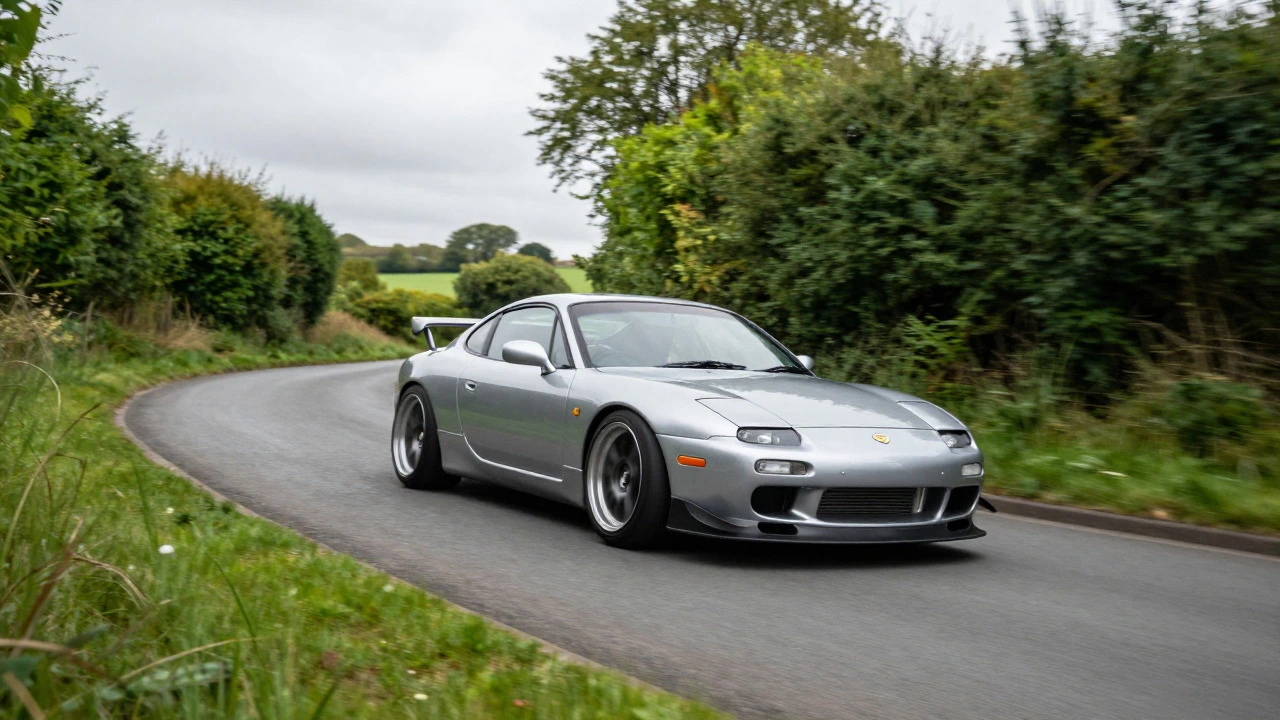
Go for coilovers if you take your car to the track, autocross events, or simply enjoy spirited driving on winding roads. The ability to reduce body roll dramatically improves lap times and driver confidence. If you participate in car shows, coilovers allow you to change your stance without buying multiple sets of spacers or shims.
Also consider coilovers if you plan to upgrade other performance parts. Bigger brakes, lighter wheels, and sticky tires will expose the weaknesses of a stock suspension. Matching your suspension to these upgrades ensures the car handles as a cohesive unit. In 2026, technology has improved significantly, with monotube coilovers offering better heat dissipation and consistent performance compared to the twin-tube designs of the past.
Common Pitfalls to Avoid
One major mistake people make is buying the cheapest coilovers available. Brands like King or Unbranded imports often suffer from poor sealing, leading to leaks and inconsistent damping. Stick to reputable brands with proven track records. Another pitfall is dropping the car too low without considering wheel size. If you run large wheels with low-profile tires, you risk rubbing against the fenders or suspension components during hard braking or cornering.
Don’t neglect the importance of an alignment shop that understands lowered cars. Standard alignments assume stock ride height. A specialist will use camber plates or adjustable control arms to ensure your tires sit flat on the road, maximizing grip and longevity.
Will lowering springs damage my car?
Not necessarily, but improper selection can cause issues. If you drop the car too much without adjusting suspension geometry, you may experience premature wear on bushings, ball joints, and tires. Always choose a spring drop that matches your wheel size and driving conditions.
How much does it cost to install coilovers?
Installation costs vary by location and complexity. In Australia, expect to pay between $200 and $400 for labor if you don’t do it yourself. This usually includes a basic alignment. Complex setups requiring camber plate adjustments may cost more.
Are coilovers illegal in Australia?
No, coilovers themselves are not illegal. However, Australian Design Rules (ADRs) and state regulations require vehicles to meet safety standards regarding ride height and lighting. Ensure your modifications do not interfere with brake lights or reverse lights, and that the car remains stable and safe for public roads.
Can I adjust coilovers while driving?
While some high-end coilovers allow on-the-fly damping adjustments, it is generally unsafe and unnecessary for street driving. Most adjustments should be made before or after driving to ensure consistent handling characteristics.
Do I need new struts if I install lowering springs?
Ideally, yes. Reusing old, worn-out struts with new springs can lead to poor performance and safety risks. If your current struts are in excellent condition, they might work temporarily, but upgrading to matching dampers is recommended for optimal results.