Lowering Springs Cost & Risk Calculator
Configuration
Initial Setup
Springs + Alignment
$0
Tire Wear Increase
+$0
Extra replacement cost over 3 years
Maintenance & Repairs
+$0
Bushings, mounts, alignments
Risk Factors
Total Estimated Extra Cost
(Over 3 Years vs Stock)That aggressive stance looks incredible. The car sits lower, the wheels fill the arches, and suddenly your daily driver feels like a track-ready machine. It’s no wonder lowering lowering springs are one of the most popular first mods for enthusiasts everywhere. But while the visual payoff is instant, the mechanical reality is often a trade-off that many new owners don’t see until they hit their first speed bump at 40 mph.
You’re not just changing how the car looks; you’re fundamentally altering its geometry and dynamics. If you’ve been eyeing a set of coilovers or spring drops, it’s crucial to understand the downsides before you buy. This isn’t about scaring you away from modifying your vehicle-it’s about ensuring you know exactly what you’re signing up for regarding comfort, maintenance, and safety.
The Comfort Compromise: Stiffness and Road Noise
The most immediate negative of installing lowering springs is the change in ride quality. Factory suspensions are tuned for a balance between comfort and control, designed to absorb potholes, expansion joints, and rough pavement. When you replace those with shorter, stiffer springs, you remove much of that compliance.
Ride stiffness increases because lowering springs typically have a higher spring rate (measured in Newtons per millimeter) than stock components. This means the suspension transmits more road imperfections directly into the chassis. A small crack in the asphalt that you barely noticed before will now be felt clearly through the seat and steering wheel. Over long distances, this constant vibration can lead to driver fatigue, making highway commutes feel harder rather than easier.
Additionally, the reduced travel-the distance the wheel can move up and down-means the suspension reaches its limits faster. On bumpy roads, the tires may lose contact with the surface briefly, reducing grip and creating a harsh, jarring sensation. If you live in an area with poor road infrastructure, like many parts of Adelaide where older streets have uneven surfaces, this compromise becomes a daily annoyance rather than a rare inconvenience.
Handling Changes: Camber Issues and Tire Wear
Lowering a car changes its suspension geometry, specifically the camber angle. Camber refers to the tilt of the wheels when viewed from the front. Stock cars usually have slight negative camber (top of the tire tilted inward) to help with cornering. When you drop the car without adjusting the control arms or using specific camber-correcting springs, this angle becomes excessively negative.
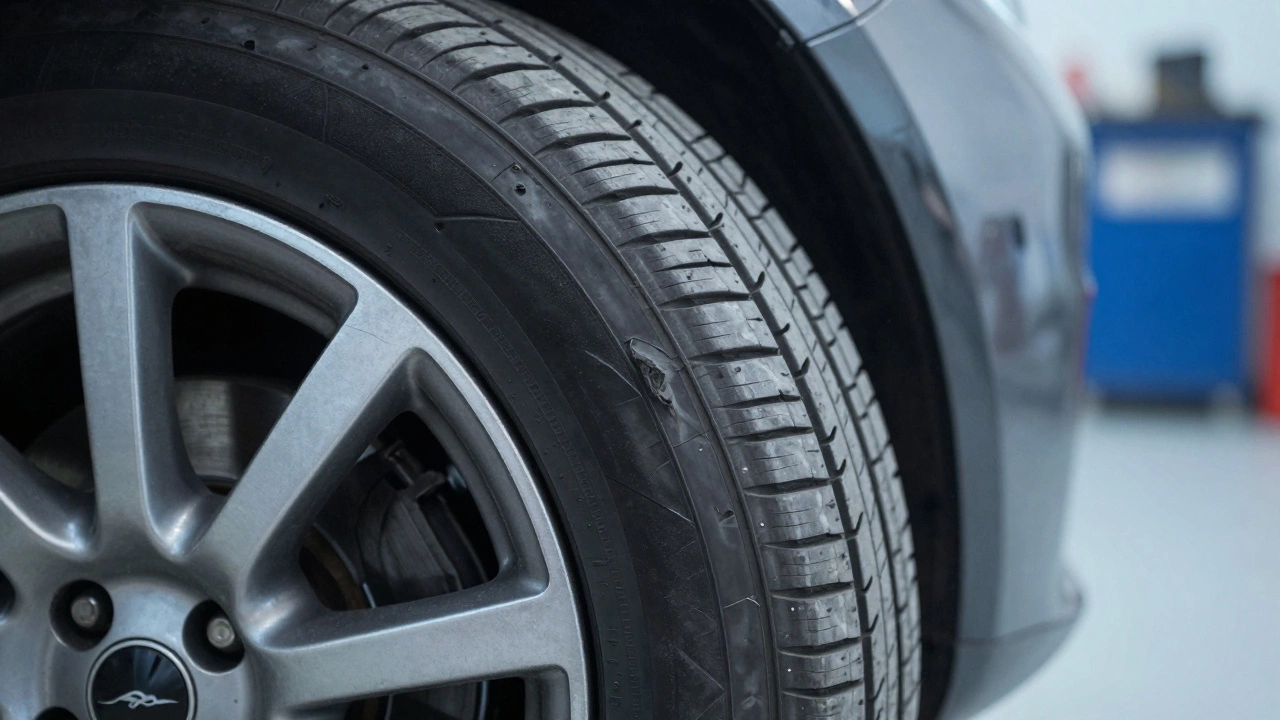
This excessive negative camber causes the inside edge of your tires to bear more weight than the outside. The result? Uneven tire wear. You might find yourself replacing tires every 15,000 kilometers instead of 30,000, spending significantly more on rubber over time. In extreme cases, the inner rim can rub against the brake caliper or fender during sharp turns, causing dangerous damage.
While some drivers enjoy the sharper initial turn-in response that comes with lowered centers of gravity, the lack of proper alignment can make the car feel twitchy or unstable on straight highways. Without a professional four-wheel alignment after installation, you risk compromising both safety and longevity of your tires.
Ground Clearance Risks: Bottoming Out and Damage
One of the biggest practical negatives of lowering springs is reduced ground clearance. Your car sits closer to the ground, which means obstacles that were previously harmless become threats. Speed bumps, steep driveways, train tracks, and even deep parking lot dividers can cause your undercarriage to scrape-or worse, get stuck.
Bottoming out doesn’t just sound bad; it can damage critical components. The oil pan, exhaust system, differential, and subframe are all vulnerable when the suspension compresses fully. A single hard impact can crack an oil pan, leading to catastrophic engine failure if not caught immediately. Repair costs for bent suspension arms or damaged exhaust manifolds far exceed the price of the springs themselves.
If you frequently drive on unpaved roads, attend off-road events, or live in hilly areas with steep inclines, lowering springs may render your vehicle impractical. Even on city streets, unexpected debris or poorly maintained curbs can catch the front bumper or splitter, especially on cars already close to the ground.
Maintenance Challenges and Alignment Costs
Installing lowering springs isn’t a “set and forget” modification. Because the suspension geometry changes, you’ll need a professional alignment shortly after installation. Most shops charge between $100-$200 AUD for a standard four-wheel alignment, but complex setups with adjustable control arms can cost more. Neglecting this step leads to premature tire wear and unpredictable handling.
Beyond alignment, lowered cars require more frequent inspection of suspension bushings and mounts. The increased stress on these components accelerates wear, meaning you’ll likely replace them sooner than on a stock vehicle. Rubber bushings degrade faster under constant load, leading to clunking noises and loose steering feel. Regular checks every 6 months are recommended to catch issues before they escalate into expensive repairs.
Also, consider insurance implications. Some insurers view modified vehicles as higher risk, potentially increasing premiums or voiding coverage if an accident occurs due to improper modification. Always check your policy before making changes.

Resale Value and Market Perception
While lowering springs appeal to enthusiasts, they can deter potential buyers. Many everyday drivers prefer comfortable, reliable vehicles over sporty-looking ones with compromised ride quality. A lowered car may limit your resale market to niche buyers who share your aesthetic preferences, reducing demand and potentially lowering your vehicle’s value.
In markets like Australia, where practicality and durability are highly valued, heavily modified cars often struggle to sell quickly. Buyers worry about hidden damage from bottoming out or neglected maintenance. If you plan to keep your car long-term, this isn’t a major concern-but if you rotate vehicles every few years, think twice before committing to permanent modifications.
| Feature | Stock Suspension | Lowering Springs |
|---|---|---|
| Ride Comfort | Smooth, absorbs bumps well | Stiff, transmits road noise |
| Ground Clearance | High, safe for most terrain | Low, risk of scraping |
| Tire Wear | Even, lasts longer | Uneven, wears faster |
| Maintenance Cost | Standard intervals | Frequent alignments, bushing replacements |
| Resale Appeal | Broad market interest | Niche buyer pool |
When Lowering Springs Make Sense
Despite these drawbacks, lowering springs aren’t inherently bad-they’re tools that serve specific purposes. For track days, autocross, or spirited driving on smooth roads, the improved handling and reduced body roll justify the trade-offs. Cars designed for performance, like sports coupes or hatchbacks, often benefit from modest drops (1-2 inches) without sacrificing too much comfort.
If you choose to proceed, opt for high-quality brands known for consistent spring rates and durability. Avoid cheap, generic sets that may sag prematurely or fail catastrophically. Pair your springs with upgraded shocks or struts to maintain damping control, and always get a professional alignment afterward.
Consider hybrid solutions like adjustable coilovers if you want versatility. These allow you to raise the car for daily commuting and lower it for weekend drives, offering the best of both worlds-though at a higher upfront cost.
Do lowering springs ruin my car?
Not necessarily, but they increase wear on suspension components and tires. With proper maintenance and alignment, you can minimize damage. However, neglecting care can lead to costly repairs.
How much should I lower my car safely?
A safe drop is typically 1-2 inches for daily drivers. Beyond that, you risk severe handling issues, excessive tire wear, and frequent bottoming out. Consult a specialist for recommendations based on your vehicle.
Can I install lowering springs myself?
Technically yes, but it requires jack stands, spring compressors, and knowledge of torque specs. Improper installation can cause accidents or damage. Hiring a professional ensures safety and correct setup.
Will lowering springs improve fuel economy?
Slightly, by reducing aerodynamic drag. However, the effect is minimal-usually less than 1% improvement-and outweighed by other factors like driving habits and tire pressure.
Are lowering springs legal in Australia?
Yes, but regulations vary by state. In South Australia, modifications must meet safety standards and not interfere with lighting or registration plates. Always check local laws before modifying.