Alloy Wheel Lifespan Calculator
Estimate Your Alloy Wheel Lifespan
Input your specific conditions to get a personalized estimate of your alloy wheels' remaining lifespan.
Estimated Lifespan
Alloy wheels look sharp, they’re lighter than steel wheels, and they help your car handle better. But how long do they actually last? If you’ve been driving on the same set for years and started noticing cracks, curb rash, or weird vibrations, you’re not imagining things - your wheels might be nearing the end of their life. The truth? Most alloy wheels last between 5 and 10 years, but that’s not a guarantee. Many factors - how you drive, where you live, and even how you clean your wheels - can shorten or extend that timeline.
What Makes Alloy Wheels Different?
Alloy wheels are made from a mix of aluminum and other metals like magnesium or nickel. This blend makes them stronger than steel while being significantly lighter. That’s why they’re standard on most mid-range and luxury cars today. But being lightweight doesn’t mean they’re indestructible. In fact, their rigidity can work against them. Steel bends. Alloy cracks. Once a crack forms, it rarely stops growing.
Most alloy wheels are cast, not forged. Cast wheels are cheaper to make and common on factory cars. Forged wheels - used in high-performance vehicles - are stronger and can last longer, but they’re rare outside of racing or aftermarket upgrades. If your car came with factory alloys, chances are they’re cast, and that affects their longevity.
How Long Do Alloy Wheels Typically Last?
On average, a well-maintained alloy wheel will last 7 to 10 years. But here’s where it gets messy: some fail in under 3 years. Others make it past 15. So what’s the difference?
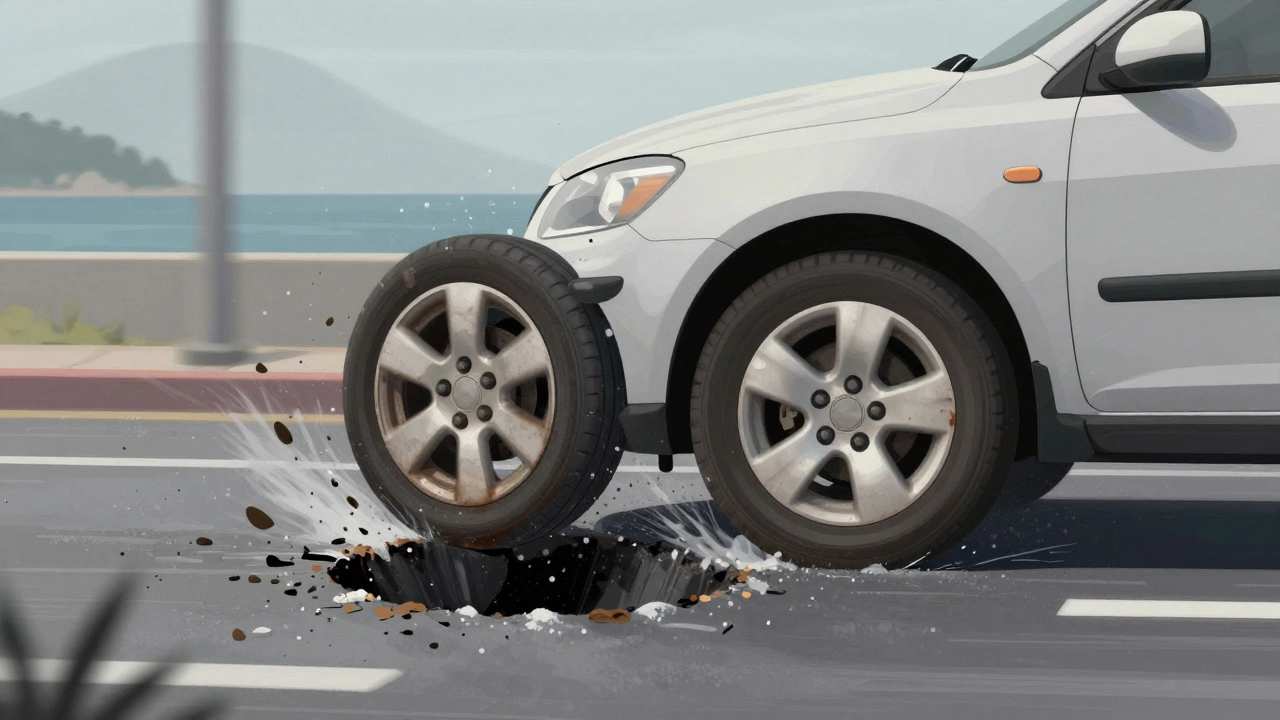
- Driving conditions: If you live in a city with potholes, gravel roads, or rough pavement, your wheels take constant punishment. Every impact chips away at the structure.
- Climate: Salt on winter roads? That’s a big one. Road salt eats away at the protective coating, leading to corrosion. In places like Adelaide, where winters are mild, this isn’t as big an issue - but coastal salt air can still cause slow corrosion over time.
- Installation and balance: Improperly mounted wheels can warp or develop stress points. If your wheels weren’t balanced right after installation, they’ll vibrate. That vibration leads to metal fatigue.
- Curbs: One hard scrape against a curb can cause a hidden crack. You might not notice it until the wheel starts leaking air or develops a wobble.
A study by the Australian Automotive Aftermarket Association found that 42% of alloy wheels replaced between 2020 and 2025 showed signs of fatigue cracking - not from accidents, but from years of daily stress.
Signs Your Alloy Wheels Are Worn Out
You don’t need a mechanic to tell you when your wheels are done. Here’s what to look for:
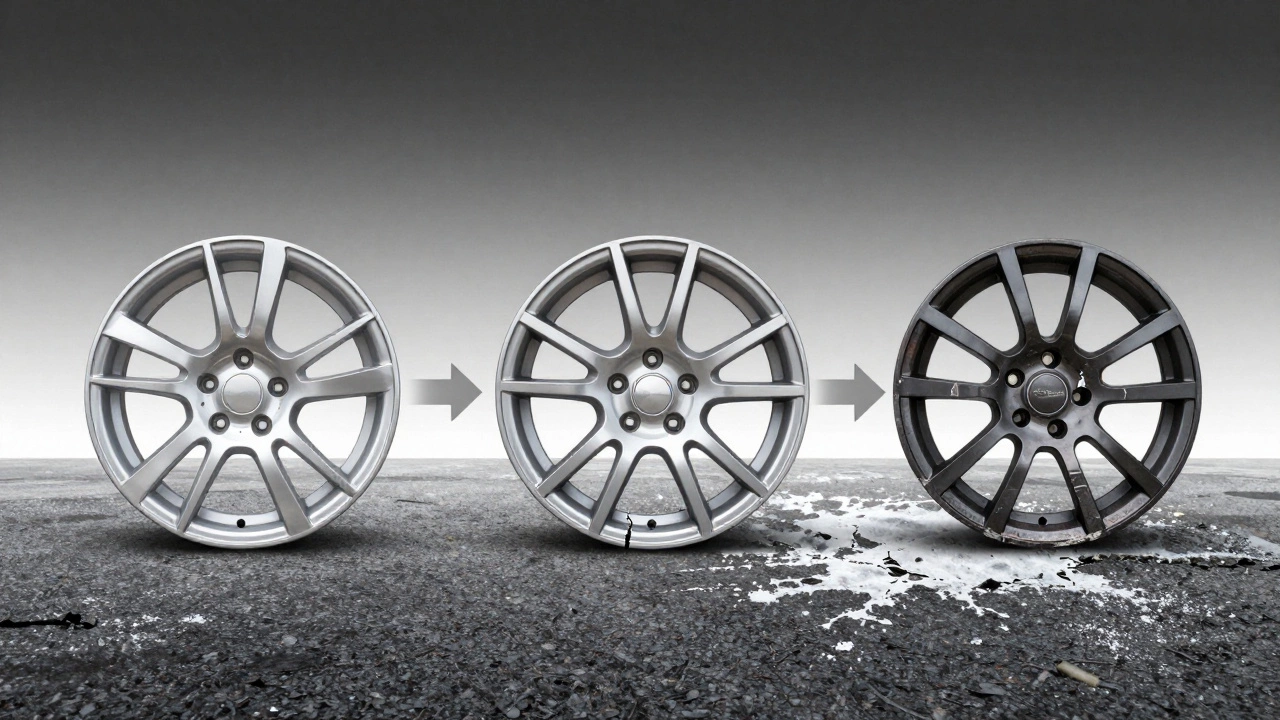
- Visible cracks: Look closely along the spoke edges and the rim flange. Even a hairline crack means it’s time to replace it. No patching. No welding. It’s unsafe.
- Corrosion: White, powdery residue around the valve stem or on the inner barrel? That’s corrosion eating into the metal. It weakens the structure.
- Wobbling or vibrations: If you feel shaking in the steering wheel at highway speeds, it’s not always a tire issue. A bent or fatigued wheel can cause this.
- Air leaks: If you’re refilling tires more than once every few months, the wheel rim might not be sealing properly anymore. Corrosion or warping can break the seal between tire and rim.
- Curb rash: A few scratches? Fine. Deep gouges that expose the bare metal? That’s a red flag. It’s where moisture gets in - and corrosion starts.
One driver in Perth replaced all four wheels after noticing small cracks forming after just 4 years. He drove mostly on gravel roads and washed his wheels with harsh cleaners. His wheels didn’t look bad - until he took them to a specialist for a balance check. The cracks were invisible to the naked eye until they were pressure-tested.
What Shortens Alloy Wheel Life?
Here’s the list of habits that kill alloy wheels faster:
- Using harsh wheel cleaners: Acid-based or abrasive cleaners strip the protective coating. Stick to pH-neutral soaps. A soft brush and water do more than you think.
- Driving on underinflated tires: Low tire pressure makes the wheel bear more weight than it’s designed for. That leads to flexing, which causes metal fatigue.
- Ignoring wheel alignment: Misaligned wheels cause uneven wear - not just on tires, but on the wheel structure too. Over time, this can bend the rim.
- Using the wrong lug nut torque: Over-tightening stretches the wheel studs and puts stress on the wheel center bore. Under-tightening lets the wheel wobble. Both are bad.
- Driving on damaged suspension: If your shocks or struts are worn, your wheels take every bump directly. That’s like hitting potholes at double speed.
How to Extend the Life of Your Alloy Wheels
You can’t make them last forever - but you can make them last longer.
- Wash them regularly with mild soap and water. Avoid pressure washers - they force water into cracks.
- Check tire pressure once a month. Use the number on the driver’s door jamb, not the tire sidewall.
- Get a wheel alignment every 20,000 km or after hitting a major pothole.
- Inspect wheels every time you rotate your tires. Look for cracks, corrosion, or bulges.
- Use wheel protectants. Silicone-based sprays create a barrier against salt and grime. Reapply every 3 months.
- Avoid curbs. Seriously. Even if you think you’re careful, it only takes one moment to ruin a wheel.
When Should You Replace Alloy Wheels?
You don’t have to wait for a blowout. Replace them when:
- You see any crack - even if it’s tiny.
- Corrosion has eaten through the rim’s inner surface.
- The wheel is bent enough to cause vibration or air leaks.
- It’s been over 10 years and you’re still using the originals.
Repairing cracked alloy wheels isn’t safe. Welding might look fine, but the heat changes the metal’s structure. It becomes brittle. Insurance companies and road safety agencies don’t allow repaired wheels for this reason.
Replacement costs vary. A single OEM alloy wheel for a mid-range car like a Toyota Camry or Honda Accord usually runs between $250 and $400. Aftermarket replacements can be cheaper - around $150 to $250 - but make sure they’re certified to the same standards as OEM.
Alloy vs Steel Wheels: Which Lasts Longer?
Steel wheels are heavier, uglier, and harder to balance - but they last longer. A steel wheel can easily go 15+ years. Why? Because steel bends before it breaks. It absorbs impact. Alloy doesn’t. It snaps.
That’s why fleet vehicles, work trucks, and winter cars still use steel. If you live in a place with rough roads or heavy snow, steel might be the smarter long-term choice - even if it looks less stylish.
But if you care about handling, fuel efficiency, and looks, alloy wheels are worth it. Just know they’re a maintenance item - not a lifetime part.
What Happens If You Ignore Damaged Wheels?
Driving on a cracked or corroded alloy wheel isn’t just risky - it’s dangerous.
- It can lead to a sudden tire blowout.
- It can cause loss of steering control.
- It can damage your suspension or brakes from uneven force.
- In Australia, driving on unsafe wheels can result in fines or even being ordered off the road by police.
There’s no legal requirement to replace wheels unless they’re visibly unsafe - but if you’re in an accident and your wheel failed, your insurance might deny the claim.
One Adelaide mechanic told me about a case where a driver ignored a small crack for six months. The wheel shattered on the South Eastern Freeway. The car spun out, hit a guardrail, and totaled. The driver was lucky - no injuries. But the wheel? Gone. And the repair bill? Over $18,000.
| Condition | Expected Lifespan | Common Causes |
|---|---|---|
| Well-maintained, clean roads | 8-12 years | Regular washing, no curb hits |
| Average use, moderate potholes | 5-8 years | Occasional curb contact, seasonal salt |
| Harsh conditions, rough roads | 3-5 years | Heavy salt, frequent curb scraping, poor alignment |
| High-performance or forged | 10-15+ years | Lighter stress, better materials |
Frequently Asked Questions
Can alloy wheels be repaired if they’re cracked?
No. Even if a shop says they can weld it, it’s not safe. The heat changes the metal’s molecular structure, making it brittle. A cracked wheel can fail without warning. Most insurance companies and road safety authorities in Australia ban repaired alloy wheels for this reason.
Do alloy wheels rust?
They don’t rust like steel - but they corrode. Aluminum alloys react with salt, moisture, and chemicals to form white or gray powdery deposits. This corrosion eats into the metal, weakens the rim, and can cause air leaks. It’s not rust, but it’s just as damaging.
Is it worth buying aftermarket alloy wheels?
Yes - if they’re certified. Look for wheels that meet JWL or VIA standards (common in Australia and Japan). Cheap, unbranded wheels may look good but often use lower-grade alloys and thinner construction. They can fail sooner and are harder to balance. Stick to reputable brands like Enkei, BBS, or OEM replacements.
How often should I inspect my alloy wheels?
Every time you rotate your tires - usually every 10,000 to 15,000 km. Take them off, clean them, and look closely at the inside of the rim and the spoke joints. Use a flashlight. A small crack is easy to miss until it’s too late.
Do alloy wheels affect fuel economy?
Yes - and it matters. Lighter alloy wheels reduce unsprung weight, which improves acceleration and fuel efficiency. On average, switching from steel to alloy wheels can improve fuel economy by 1-2%. That adds up over time, especially if you drive long distances.
Final Thoughts
Alloy wheels aren’t forever. They’re a performance upgrade - not a lifetime investment. Treat them like tires: check them regularly, clean them properly, and replace them before they become a safety risk. If you drive in rough conditions or use harsh cleaners, expect to replace them sooner. If you take care of them, they’ll serve you well for over a decade.
The best time to replace a wheel? Before it fails. Don’t wait for the vibration to get worse. Don’t wait for the tire to go flat. A small crack today can turn into a dangerous failure tomorrow.